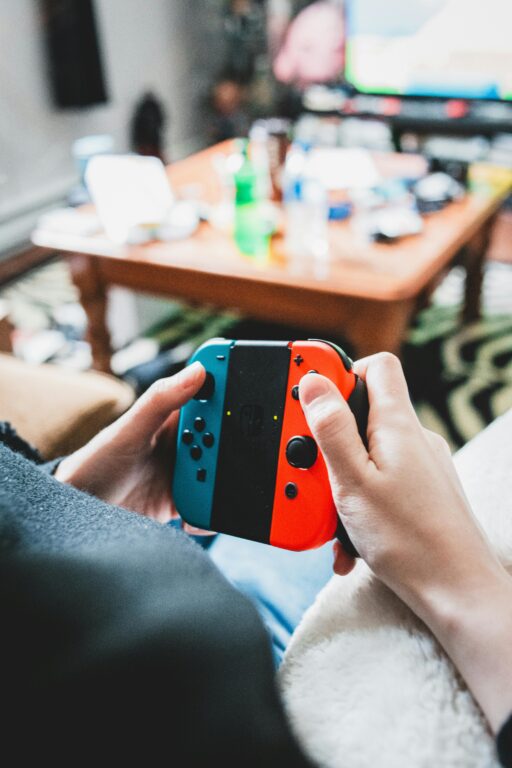
The long-awaited sequel to the cult-followed Nintendo DS game, “Tomodachi Life: Living the Dream,” released on April 16, 2026, on the Nintendo Switch. Though this new release has a lot to love, it leaves something to be desired for original fans.
The original game in the franchise was the Japanese exclusive “Tomodachi Collection,” released in 2009. The global release for the Nintendo DS was created in 2013, known as “Tomodachi Life,” and allowed for different language options and a global release. This original game was something that I purchased back in 2017 and really enjoyed when I was younger. When the announcement was made that a sequel would be released, I immediately purchased the new game.
The franchise is a social simulator game, allowing players to create and customize Mii characters, have them interact with each other and play minigames. The game itself has no concrete end condition, and the goal of the game is to maintain the happiness of the Mii through making friends, solving problems and giving them items. You can customize your Mii by giving them personality traits, text to speech style voices and silly costumes.
In “Tomodachi Life: Living the Dream,” there are many more customization options, including custom hair, eye and skin colors, new hair, mouth, eyes, eyebrows and head shapes. There are now new POC hairstyles, which makes me — a person with an afro — very excited to finally have a hair texture in the game that somewhat matches mine.
There is also a new function called “face paint” in the game, allowing players to draw a character onto the Mii, allowing for lots of detailed face designs, or creating Mii characters out of inanimate objects. Once face paint is applied, there is a chance that traditional face shapes won’t be able to show through it, preventing some facial expressions. I personally don’t enjoy the new face paint function, since it takes a lot of effort to apply, not to mention the fact that it is very tedious work.
The biggest announcement with the creation of “Tomodachi Life: Living the Dream” is the ability to have same-sex relationships, or have a non-binary Mii characters, in contrast to the original 2013 release. The addition of same-sex relationships and non-binary characters is one of the best parts of this game, creating accessibility and the ability to create real life relationships seen in today’s world. The 2013 “Tomodachi Life” release led to players having to work around the rigid gender settings to create same-sex relationships and being non-binary was not an option. This addition is really wonderful and makes the new version much better for 2026.
There are also “small quirks” that can be given to characters, making them walk, talk or make movements that were not traditionally customizable in the 2013 release. Though these items are fun, the player has to unlock these quirks and can only give them to a character after they have leveled up, meaning that you have to play more to give them their base character traits. Though this may increase player engagement, it is slow to fully develop your characters.

For the island itself, you can terraform, purchase small decorations to place around the island anddecorate the interior or exterior of the Mii’s home. In the 2013 release, you were only allowed to customize the interior of the Mii’s apartment, making this new addition a lot of fun. You are also able to create your own interiors and exteriors using the Palate House function.
Though these customization increases make Mii character creation more of a simplistic and fun process, the actual gameplay leaves something to be desired in contrast to the original 2013 “Tomodachi Life.”
In “Tomodachi Life: Living the Dream” there is a large lack of activities that you can do with your Miis on the island. Original features such as the Music Hall, where players can generate songs for their Mii’s to sing; Tomodachi Quest, an RPG style mini game where Mii’s fight inanimate objects; and Quirky Questions/Judgement Bay are no longer included in the game, leaving the main objective to just be creating characters and making friendships.
Though this is fun, the game has built in pacing that prevents relationship development from occurring too fast, making lulls in the game longer and more frustrating. This leads me, as a player, to put down the game and wait until tomorrow or later for more things to do. Though this was originally an issue in “Tomodachi Life,” these smaller, player-initiated games helped pass time.
An unforeseen benefit to “Tomodachi Life: Living the Dream” is that there isn’t an in-game content filter, allowing the user to make the Miis talk about things that are outside the “E for everyone” game rating. This very fun addition to the game itself expands its target audience and allows for the player to adjust the humor of the game to their own personal preferences. An unintended consequence of the removal of the filter is that players can’t file share screen shots taken from the game.
Overall, if you are looking for a casual game that you can easily pick up and put down and want to have more character control than other games in its category, “Tomodachi Life Living the Dream” might the game for you. Though there are some downsides in contrast to the original release, I personally believe that this game is a fun, relaxing game that never fails to make me laugh.
But I will also say, if you have not played the original “Tomodachi Life,” it would be worth your time. As of right now, there has been a large price increase on the original game, but hopefully as the trend dies down, you should be able to find original copies of “Tomodachi Life” on the DS in a $30-$40 price range, and there is easy access to emulators to capture the joy of the original if you do not have a Nintendo DS.
The “Tomodachi Life: Living the Dream” game can be purchased for about $60 plus tax, directly from the Nintendo Switch Shop, and physical copies are available on Amazon, Target, Walmart and more.
Josie Adjanohoun can be reached at [email protected]