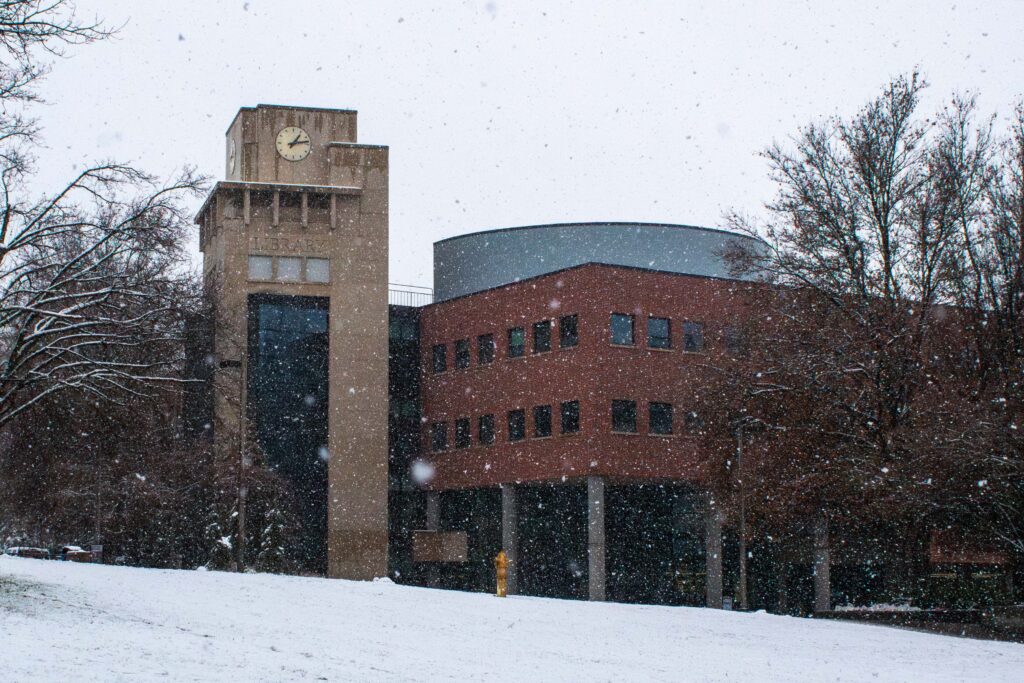
You are 10 years old again. You wake up your parents to check if school got canceled. You see snow pound against the windows as a blizzard rages through just as you get the great news — school was canceled.
Nowadays, you don’t check in with your parents. You look out the window and check your school email to see if classes may have been canceled as you roll out of bed just in time to barely make it to your classes. The sad reality is that nothing like this has happened this year.
This year, there have been almost no days where snow covered the ground. Classes haven’t been canceled. Days haven’t been spent building snowmen and having snowball fights like when you were a kid.
Moscow is suffering from a severe drought that could not only affect the winter fun but have long term effects on the hydrology and ecology of Northern Idaho and Western Washington.
According to an article by the U.S. Department of Energy, “the snow that falls – or doesn’t fall – in the mountains has huge effects on what’s available for the rest of the year.”
This means that the lack of snow in the mountains could not only affect students wanting to have fun during the winter but could also have long term impacts on the agriculture in Idaho.
The same article says, “Poor water management can leave communities struggling to have enough water throughout the year. Unfortunately, the unpredictability from snow drought can make it hard for water managers to know how much and when water will be available.”
With a lack of water coming downstream from snow runoff, plants and animals may lack the necessary water that it brings.
The effects are not just limited to the environment. The lack of snowfall in the mountains has pushed back the start of the snow sport season from November to the middle of December.
With snow being integral to the Idaho experience, college students may not get to experience what makes this area so great.
Snowfall diminishing is directly correlated with climate change, and unless we urge government officials to make changes to policies, we will continue to see less and less snowfall during the winter months.
If you do small things like recycling, walking or biking to school and adopting energy efficient practices such as turning off lights when you leave rooms, you may be able to combat climate change.
You can imagine being 10 years old again, looking out the window at a blizzard as school gets canceled, and, although we can’t be 10 again, we can still take care of the environment and bring back the snow.
Dominic Dorigo can be reached at [email protected].