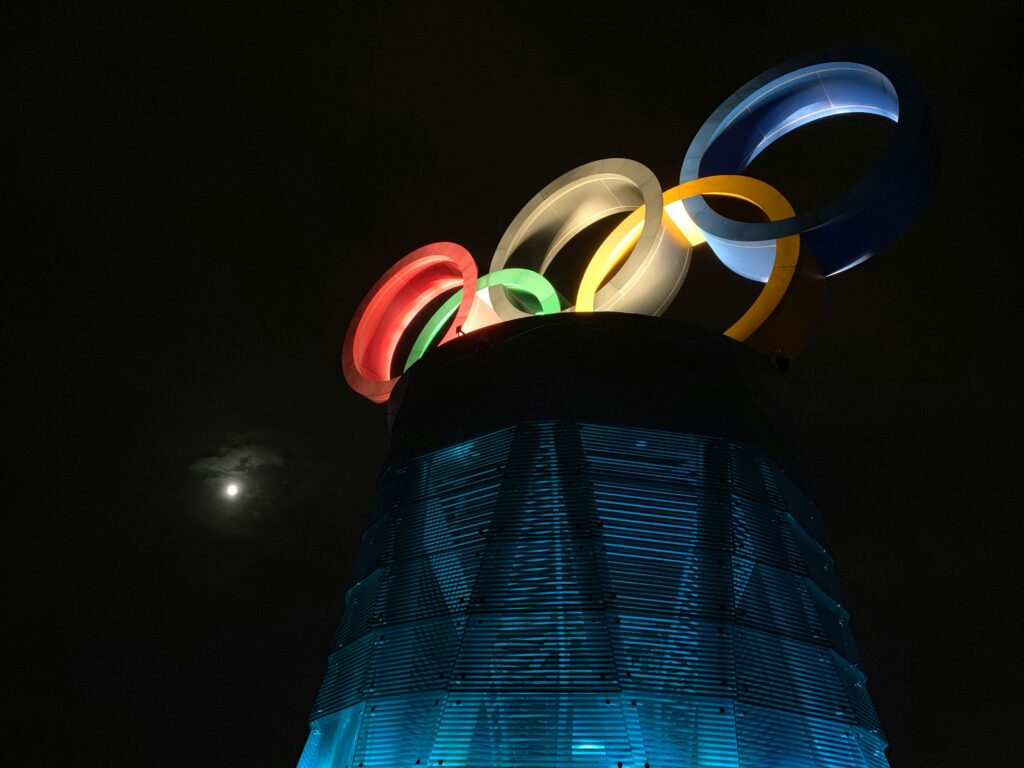
As the world sits by the TV and watches the 2026 Winter Olympics in northern Italy, debate has intensified over whether Israel should compete amid ongoing global tensions. While the Olympics have long been framed as a symbol of unity, many believe reality is far more complicated.
The games, which will take place across Milan and Cortina d’Ampezzo, are meant to bring nations together under shared athletic values. The International Olympic Committee has repeatedly emphasized political neutrality, maintaining that athletes should not be punished for the actions of their governments. Supporters of Israel’s participation say this principle is essential to preserving the spirit of the Olympics.
Many argue that Israeli athletes have trained their entire lives for the opportunity to compete and should not be excluded because of political conflict. They say the Olympics should serve as one of the few spaces where differences are set aside.
“Sports are supposed to bring people together, not divide them,” said one University of Idaho student who supports Israel’s inclusion and who asked not to be named.

Supporters often point to past Olympic moments where athletes from rival nations competed side by side, showing that peaceful competition is still possible even in times of conflict.
Others, however, strongly disagree. Critics believe allowing Israel to compete sends the wrong message and undermines accountability. They point to calls from activists who argue that participation on the global stage provides legitimacy and normalcy at a time when many believe serious humanitarian concerns remain unresolved.
Some critics compare the situation to the restrictions placed on Russian athletes following the invasion of Ukraine. They question why some nations face consequences while others continue to compete.
“It feels inconsistent,” said another student who opposes Israel’s participation who asked not to be named. “If the Olympics stand for justice and fairness, those values should apply to everyone equally.”
For many observers, the issue reflects a broader question about whether the Olympics can truly remain separate from politics. The games have historically been influenced by global events, from boycotts during the Cold War to protests of injustice. The modern Olympics, despite their ideals, do not exist in isolation.
Others say targeting athletes does more harm than good. They argue that athletes often have little influence over political decisions and should not be used as symbols of national policy. Excluding competitors, they say, punishes individuals rather than governments.
The debate also highlights the emotional weight of international identity. For some, Israel’s presence represents pride and perseverance. For others, it represents pain and frustration, particularly among those who support Palestine and believe the international community should take a stronger stance.
As the Olympics approaches, one reality remains clear: the Games continue to reflect the world itself, with all its divisions and disagreements. Whether Israel’s participation represents unity or controversy depends largely on perspective.
What remains unchanged is the power of the Olympics to spark conversation, not just about sports, but about justice, identity, and the role of global institutions in times of conflict.
AJ Pearman can be reached at [email protected].