The long-awaited public release of documents related to the late financier Jeffrey Epstein’s case, which involved serious and extensive unlawful activities, was intended to be a watershed moment for transparency. For the survivors of these abuses, the revelation of names linked to the case has been less a moment of definitive closure and more a painful confirmation of what they long suspected: that powerful people enabled the wrongdoing, and the journey toward true accountability is far from over.
The court records, stemming from a civil lawsuit against Epstein’s longtime associate Ghislaine Maxwell, have named various individuals across politics, entertainment and academia. Yet, the overriding sentiment from the women whose lives were profoundly affected is one of frustration over the selective nature of the disclosures and the continued use of their trauma for political ends.
This skepticism is rooted in years of watching the justice system’s mixed results, including a controversial 2008 non-prosecution agreement and Epstein’s death in 2019 while facing federal charges. When the government, often responding to intense public pressure, finally began releasing files, survivors voiced concern that the documents were incomplete or contained information that was already public knowledge.
Amid the political debate surrounding the disclosures, survivor Haley Robson delivered a powerful statement to those who minimized the seriousness of their ordeal.
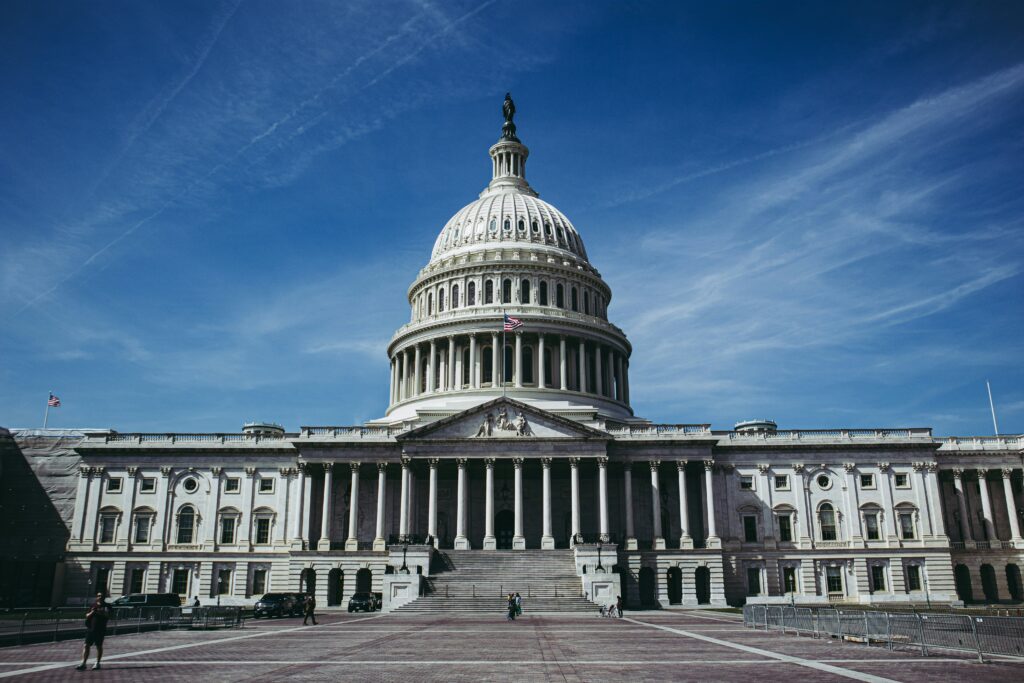
“We are real human beings. This is real trauma,” Robson said at a recent news conference on Capitol Hill, a comment widely reported by outlets including PBS. Her words underscoreD the survivors’ awareness that their personal experiences were being co-opted for political gain, diverting focus from the genuine pursuit of justice.
For these survivors, the push for transparency is not merely about identifying individuals; it is about achieving a comprehensive accounting of the institutional systems and people who failed to intervene or who enabled the former financier’s prolonged pattern of unlawful actions.
As one survivor articulated during a rally in Washington, the ultimate goal is “not to weaponize pieces of the files against random political enemies that did nothing wrong, but to understand who Epstein’s friends were, who covered for him, what financial institutions allowed his trafficking to continue, who knew what he was doing but was too much of a coward to do anything about it,” according to a TIME report. The true focus, in their view, must shift from sensational disclosures to establishing institutional responsibility.

During renewed scrutiny and emotional difficulty, a powerful, unified voice has emerged. Speaking out has created a strong bond among the women, transforming them from isolated individuals into fierce advocates.
“What once kept us silent now fuels that fire and the power of our voice,” survivor Jess Michaels said, as reported by The 19th News. “We are not the footnotes in some infamous person’s tabloid article. We are the experts and the subjects of this story.” Another survivor, Liz Stein, spoke of this painful solidarity: “We’re in a sorority that none of us asked to join, but we all stand here today, stronger together, because our collective voice is powerful.”
The profound dissatisfaction with incomplete government disclosures has led to the unusual proposal of survivors compiling their own record. Survivor Annie Farmer, speaking at a news conference covered by NBC News, announced the women were discussing creating their own list because she said, “We have them and they could be released.”
This self-motivated step, while carrying potential risks, is the clearest indicator of the survivors’ eroding trust in official channels. When the justice system appears hesitant or unable to deliver the full truth, the victims of a serious crime are left to bear the weight of ensuring genuine accountability themselves.
The unsealing of documents may mark a necessary legal step toward transparency, but it imposes a significant emotional burden on the women forced to confront their past publicly. Until every enabler and every systemic failure is exposed, the files associated with this case will remain a reminder not of completion, but of a necessary, collective fight for the absolute truth.
AJ Pearman can be reached at [email protected].
Dennis Whitehead
Excellent article! All of the files must be released, and with no redactions.