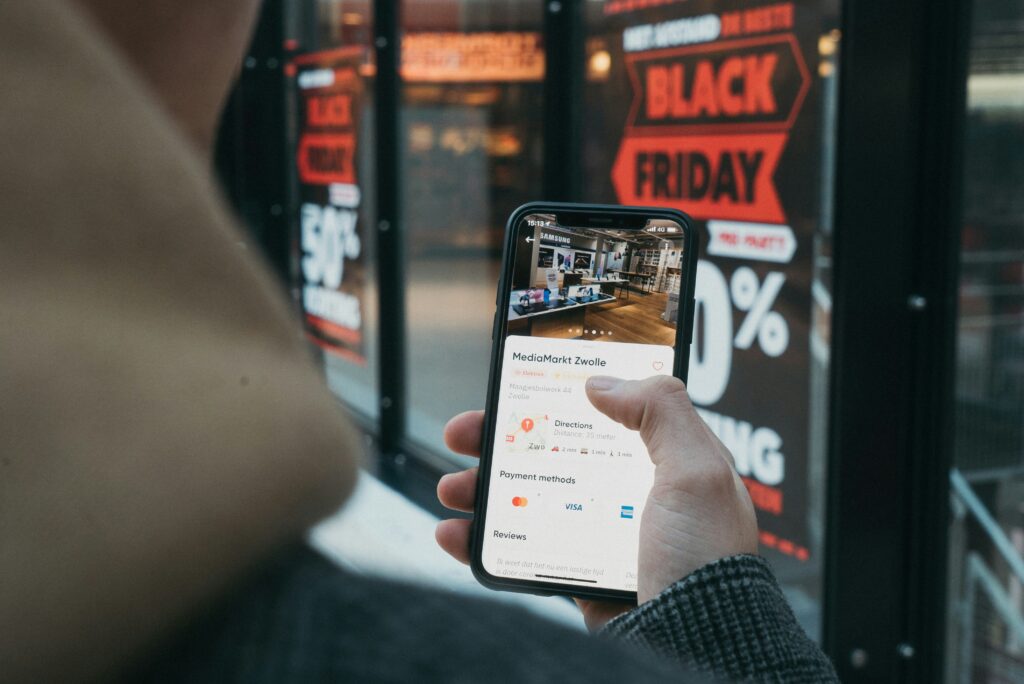
Black Friday used to mean something. It meant setting your alarm for 3 a.m., bundling up in coats and gloves and standing with hundreds of other determined shoppers outside big box stores.
It meant racing through aisles for doorbusters so steep they didn’t feel real. It meant excitement, chaos and deals that truly felt once-in-a-year. Today, that same anticipation is gone. Black Friday has transformed into a watered-down, month-long marketing campaign, and the magic that once made it special is fading fast.
Retailers have stretched the shopping holiday so far that the original day barely matters anymore. What used to be a single morning of slashed prices has turned into “Black Friday Week,” “Black Friday Month” or even “Early Black Friday Deals” beginning as early as October. When everything is a sale, nothing feels like a sale. Shoppers aren’t fooled by labels, and they’re beginning to question whether the “discounts” are really discounted at all.
Part of the shift comes from the rise of online shopping. Instead of camping out or rushing through crowds, consumers can click “add to cart” from the couch. Convenience is great, but it sacrifices the excitement that made Black Friday a shared cultural experience. There’s no rush of adrenaline when refreshing a webpage. There’s no competitive thrill in being the first through the door. The adventure is gone, replaced by standard e-commerce navigation and coupon codes that feel more routine than rewarding.

Even worse, the deals themselves simply aren’t what they used to be. Many retailers now rely on tactics like inflating original prices before discounting them or offering the same exact deals they ran weeks before. Shoppers have caught on, noticing that some “doorbusters” aren’t much different from everyday sale prices. In the past, Black Friday meant getting a $300 TV for under $150. Today, the same item might see a modest 10% or 20% markdown, hardly worth waking up early.
Inflation and supply chain challenges haven’t helped. Retailers are more cautious, and margins are tighter. As a result, the deep cuts that once defined the season simply aren’t sustainable in the way they used to be. Businesses are leaning more heavily on marketing language and less on genuine savings. Shoppers end up sifting through pages of “deals” only to feel like they’re playing a game designed to confuse rather than reward them.
The in-store experience has also changed. Midnight openings, once a Black Friday staple, have largely disappeared, especially as more companies choose to stay closed on Thanksgiving. Many shoppers support the shift toward giving employees time off, but it also marks the end of an era when people lined up with hot chocolate and shared stories in the cold as they waited for doors to open. Black Friday was chaotic, but it was communal. Today’s version feels lonely by comparison.

Black Friday isn’t dead, but its identity is fractured. The thrill, the community and the true bargains that defined it have been swallowed by extended sales, digital convenience and marketing noise. Shoppers aren’t nostalgic for the crowds; they’re nostalgic for authenticity. And until retailers bring that back, Black Friday will continue feeling like just another sale pretending to be a tradition.
AJ Pearman can be reached at [email protected].