The rapid spread of herbicide-resistant pigweeds, new restrictions on applying pesticides and a maggot that can reduce sugar beet yields by up to 40% will be the main topics of the University of Idaho’s annual Sugar Beet Conference to be held Thursday, Dec. 4. The conference is scheduled from 9 a.m. to 4 p.m. at the Boise Centre in Boise.
Online registration is closed, but tickets will be available for $45 at the door with lunch included. The event will also feature a trade show.
The Sugar Beet Conference brings together farmers and researchers to tackle current challenges in the sugar beet industry, which makes up 20% of the worlds sugar production according to the Agriculture Handbook on Sugar Beet White Sugar. Participants can earn pesticide applicator recertification credits and certified crop advisor credits.
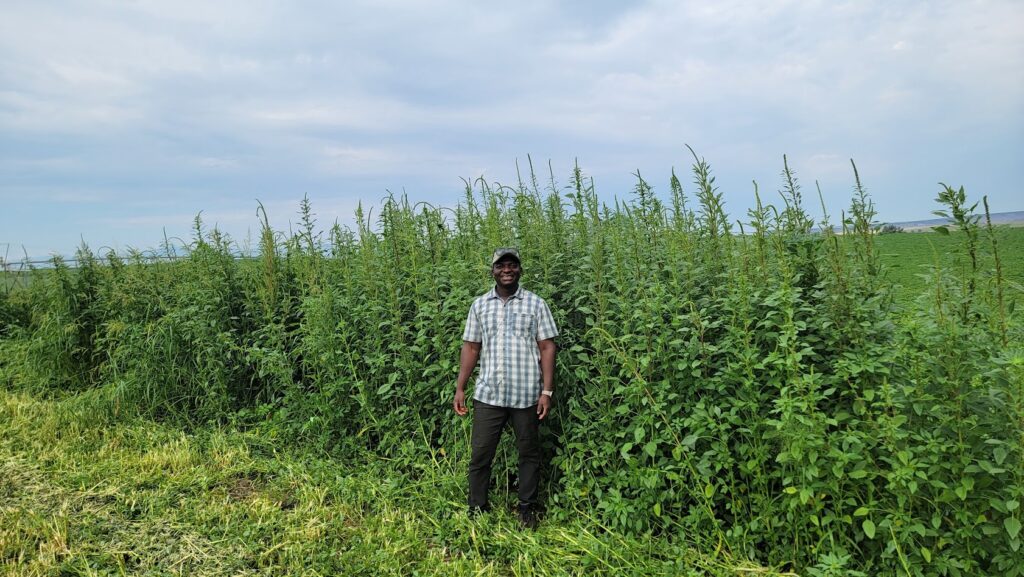
Palmer amaranth, an herbicide-resistant pigweed, has spread across southern Idaho and cut yields by up to 50% in some fields. Betaseed sales manager Clarke Alder will provide updates and advice for farmers at the conference. This season, Palmer amaranth has been confirmed in 164 locations, covering roughly 9,000 acres, according to UI Extension weed scientist Albert Adjesiwor and Oregon State University weed scientist Joel Felix.
More than 85% of samples of this pigweed are resistant to glyphosate herbicide, which is the active ingredient in Roundup. Idaho’s sugar beet seeds are specifically engineered to tolerate glyphosate, meaning alternative herbicides with chemicals can only be applied before the crop emerges to avoid damaging the beets.
At the start of the 2025 growing season, sugar beet growers were given an emergency exemption to use the pre-herbicide metamitron after regulators approved its temporary use to help control the spread of Palmer amaranth.
“We’ve been trying to convince people to use it, but I understand it costs money,” said Adjesiwor, who organized the conference, in a Nov. 17 press release.

Adjesiwor is also monitoring waterhemp, another fast-spreading herbicide-resistant pigweed in southern Idaho.
The first session of the conference will cover new pesticide regulations, which now require wider buffer zones near sugar beet fields to comply with updated Endangered Species Act rules. Oliver Neher, chief scientist and senior plant pathologist with Amalgamated Sugar Co., will explain the changes and what farmers need to know to stay in compliance.
Farmers are also watching sugar beet root maggots this year. UI Extension entomologist Erik Wenninger will explain how to scout and apply insecticides at the right time as the pest has become increasingly unpredictable.
Additional sessions will cover succession planning, current research projects, farmer mental health, nutrient and irrigation management and updates on CR+ fungicide performance. Attendees will also meet UI Extension’s new irrigation specialist, Emily Bedwell, who will introduce strategies for efficient water use in beet production.
Katherine Kanevski
This is serious stuff!!