Black Friday through Cyber Monday is the pinnacle of overconsumption, but regardless of the season, excessive consumerism is a prevalent and problematic part of American culture. For overconsumption to even be possible, as in ample supply and affordable price, these products require exploited laborers who work for just cents an hour somewhere across the world. Their suffering is easy to overlook when a pair of flashy new shoes arrives on your doorstep, or a new branded T-shirt gets a compliment from a stranger.
With online shopping making money feel even less real and online marketplaces having more options than any box store could ever stock, plus social media trends pushing monthly new “must have” products, it is easier than ever to overconsume.
Thanksgiving, a holiday about generosity, is followed by days of unprecedented waste production and a lack of gratitude to exploited works, impoverished communities and the environment. People do not need most of the things that are bought on Black Friday, especially given that the sales which entice overconsumption have been reduced to the point where there is no economic incentive to make a purchase on that day, only a cultural one.
It is also worth noting that any amount of money supposedly saved by purchasing an unnecessary, but on sale, item is less than the amount you would save if it was never purchased in the first place.
These products do not exist to be used. They simply deliver excitement first upon purchase, and then upon arrival. Clothes do not need to last long, household tools do not need a real use and toys do not need repeated entertainment value. There is no brand image attached to the poorly made products which can be damaged and therefore no future profits are lost. Only the distributors’ names are known, such as Amazon or Shein, and they did their job getting it to you cheap and quickly.
Beyond the moral damage of this gluttony, there is significant harm to people and the environment. The factory pollution and manufacturing waste has been exported to places that are easy to ignore for the privileged American consumer so that the guilt and consequences are minimized and the cycle continues.
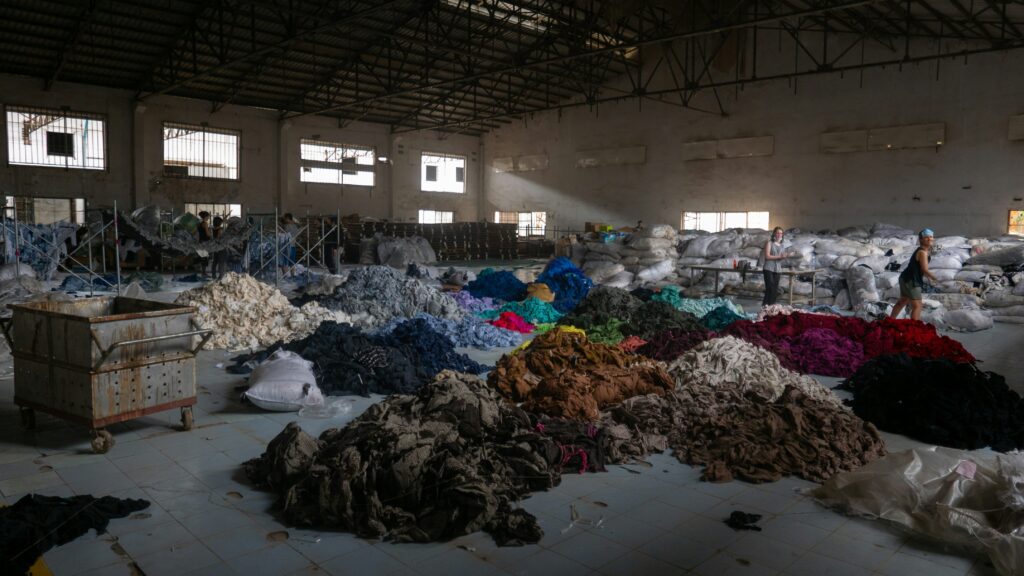
Ghana, a west African country, imports about 15 million second-hand clothing items each week that were donated to charity from developed nations such as the United States and Australia. These items are hardly charity as they were not given out of kindness but were donated to relieve the guilt from their unnecessary purchase.

The poor quality of fast fashion items results in more than half of these clothing items being unusable for resale in local communities. Instead of clogging American donation centers or landfills, they turn the beaches of Ghana into a trash dump and leach polyester micro plastics into the ocean, harming fish and wildlife populations are ruining natural beauty.
Fast Fashion: Slow Poison is a 2024 report by Greenpeace Africa which details the impact of this waste with visceral photos of this environmental disaster.
“Over time, the tides wash over the textiles on the beach, so that they become embedded and even buried in the sand, creating long “tentacles” of textile waste which reach down beneath the sea’s surface,” wrote the report.
Soon, the winter holiday season will follow, another time dedicated to giving, but really, it’s about buying. To communicate love to loved ones, it is cultural to give a present, regardless of whether the gifted thing is of any value to the person. There are gift alternatives, such as acts of service or food, which do not create the waste of overconsumed products and still perform the season’s culture. But that does not increase the GDP and therefore is not desirable to advertisers whose sole purpose is to use whatever tools available to increase profits.
Movie after movie and influencer after influencer will be paid to do what puts more money in the pockets of the wealthy while hiding the immorality of it all. “Consume, consume, consume,” the media all says in unison.
It is difficult to resist the message propagated by holiday after holiday and marketed though sales as an opportunity to save big, but it is necessary for personal finances and the health of the planet to spend wisely.
Is the product something you need or will use? Will it last or hold its value? Do you already have something equivalent at home? If the answer is yes to any of these questions, it is best not to buy in most cases.
The scummy business practices of corporations which pollute, exploit and relentlessly advertise bear most of the blame, and the best way to protest is with your wallet. Do not participate in overconsumption. Do not let these practices be profitable. Do not let waste build up in your own home or overseas where it is easy to overlook. And most importantly, hold others accountable for their complicity in this exploitative cycle.
Joshua Reisenfeld can be reached at [email protected].