
The City of Moscow will elect a new mayor in 2025 to serve a four-year term. There are currently two candidates running for election.
The Argonaut conducted questionnaires for each candidate. Each of the responses below have been edited only for spelling as necessary. Each candidate was asked the same questions and given the same amount of time to respond. Candidates are listed below in order of filing date, according to the Latah County Elections Office.
Find more information on how to vote in the 2025 General Election at https://www.uiargonaut.com/2025/10/24/2025-elections-moscow-voters-guide/.
Hailey Lewis
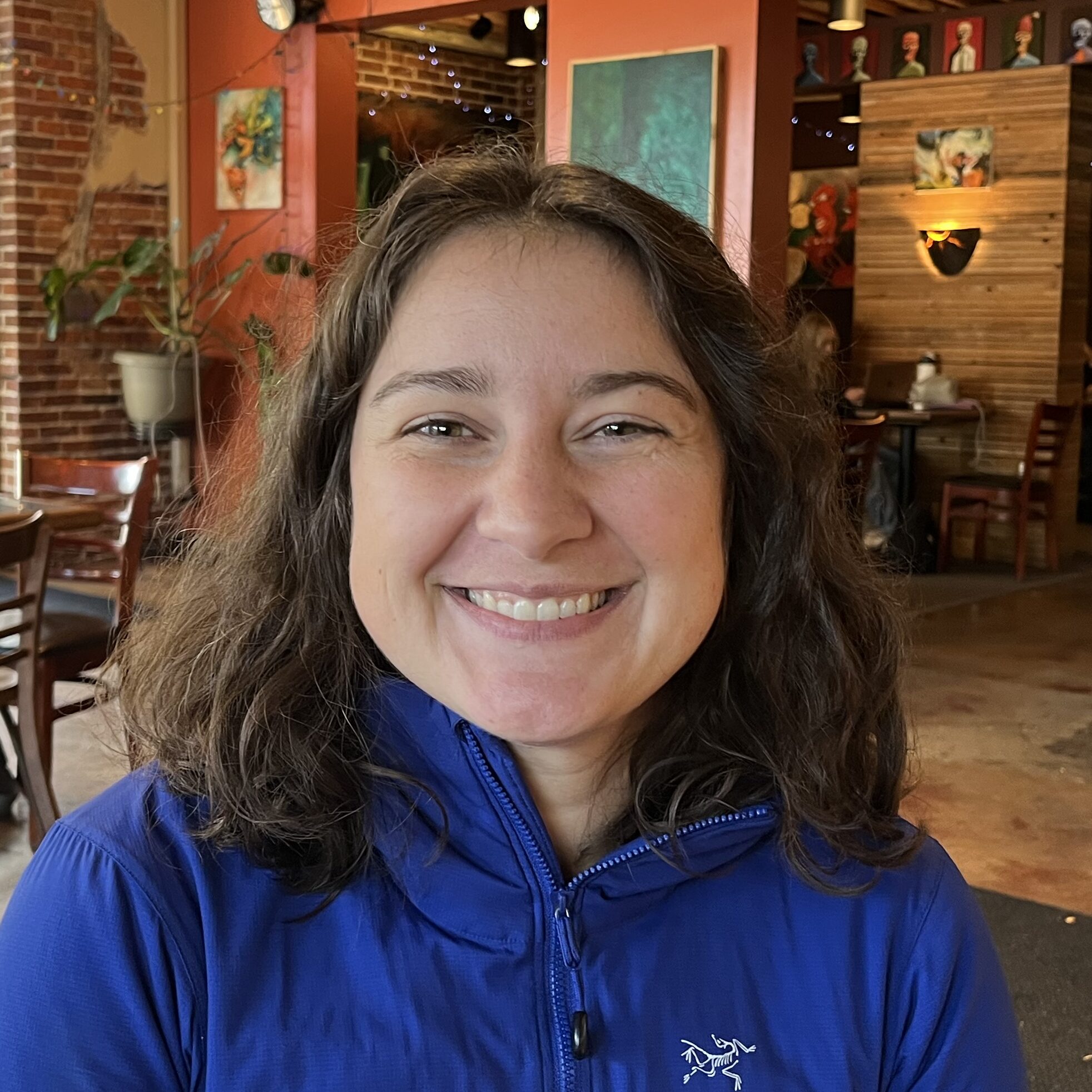
1. Who are you? Tell us about yourself.
I’m a third-generation Vandal and a lifelong Moscow resident. My grandparents moved to Moscow in the 1970s when my grandpa Craig started teaching at U of I College of Law. I married a fellow Vandal, and we both work in Pullman but continue to choose Moscow as our home. We adopted two dogs, and we love rafting, skiing, and traveling. I make time to read and knit. Garrett and I have nieces and nephews in the PNW that we love to spend time with (I guess we like visiting our siblings too).
2. What inspired you to run for this office?
My love for Moscow is the main inspiration. When Mayor Art Bettge announced at the State of the City in spring of 2025 that he would not be seeking reelection, I started thinking about qualified candidates who could successfully serve in the office of Mayor. After visiting with my fellow city councilmembers and my mentors in the Moscow community this spring, I found myself excited about the opportunity to serve my hometown in this capacity. I’m passionate about clear communication, the nuts and bolts of local governance, and eager to bring a different generation’s perspective to city leadership.
3. What would make you qualified for this position?
I’m a current Moscow City Councilmember, and while the role of Mayor is different (legislative versus executive branches of government), I believe having a clear understanding of what the role of Mayor is – and isn’t – is imperative. I was elected three years ago to the Association of Idaho Cities board of directors, and I continue to learn from leaders in cities across the state. I’m not a career politician; I’m just someone who thoroughly loves the democratic process and teaching others how to navigate the legislative landscape.
4. What are three main goals you have for your time in office?
- I’m eager to coordinate with all taxing entities that impact Moscow residents to create a cohesive understanding of potential bond or levy needs on the ten- and twenty-year horizon.
- I want to continue working with SMART Transit to improve our public transportation.
- I’m eager to continue supporting the hard work from the Palouse Basin Aquifer Committee (PBAC) to develop and pursue a plan to secure an alternative water source for the region.
5. What characteristics or principles are most important for an elected official?
I think being approachable and being a good listener is paramount. I also think being a patient teacher and continuous student is key. There are pieces of bureaucracy that are hard to navigate and understand, and I believe elected officials should do their homework and explain the context at play when a decision comes before a voting body. I know I can not expect to make everyone happy, but I always strive to make sure everyone feels heard. I always want my reasoning behind a decision or vote to be clearly articulated.
6. What responsibilities of this office do you personally consider the most important?
The Mayor’s role is to execute the City Council’s goals, and to liaise between the staff and the legislative body (Council). The biggest responsibility of the Mayor is to oversee the city’s annual budget proposal that gets presented to Council for review and adoption. Drafting the budget isn’t the Mayor sitting in front of a blank excel document – it’s created by dedicated staff and departments over many months. The Mayor’s responsibility is to ensure the budget reflects the priorities in the City’s Comprehensive Plan, and the goals set forth by Council.
7. What organizations or individuals have endorsed your campaign, if any?
I have not sought organizational endorsements, as I feel very strongly that the nonpartisan nature of municipal races is a huge asset. Fixing potholes or installing new city wells don’t have to be partisan – and they shouldn’t be.
8. What do you see as the biggest challenges facing our community right now?
There’s the more abstract, big picture challenge facing our country in a growing political divide. I think local leaders acting with civility is one way to combat that. Regarding our local challenges, the city’s ability to fund infrastructure improvements up to and including securing an alternative water source are main areas of focus for me.
9. What do you love most about Moscow?
How can I answer this in 100 words! I love our four seasons (okay, five if you count Construction). I love that I’ve never been bored while living here as a kid, teenager, young adult, and now as a young professional. I love the community of people who choose to make Moscow their home – for a few years, decades, or generations. I love that we have an incredible network of people who care deeply about community service. I love that my biggest complaint about “traffic” is when I wait two cycles of the red light by Winco on my commute.
10. What do you believe is the ideal relationship between the city and the state government?
There is a collection of bills that have been passed in Idaho in the past several years that make the ability for cities and counties to provide services increasingly difficult. I believe the role of Mayor has a responsibility to teach state legislators the real implications of bills that are introduced under the auspices of “local control” that seriously erode how local governing bodies can govern and provide adequate services. One punitive bill to address an issue in one of the 197 incorporated cities in the state will inevitably impact every other city, regardless of its size or constituency.
11. How do you stay informed about current events and issues affecting the city?
There is a huge swath of information exchanged through our city commissions, so I try to monitor those meeting documents. I also am active with the Association of Idaho Cities year round, and learn from other leaders around the state about the big picture. I follow our local newspaper of record, the Daily News, and occasionally keep an eye on social media to understand if there are decisions or issues that are prompting questions from citizens – even if those questions aren’t coming directly to our city inboxes.
12. How do you approach budgeting for the city’s services and programs?
I have a great deal of trust that city staff help inform us when planning long-term for infrastructure needs. The budget review is a very transparent process, and those of us in Moscow’s elected positions love to share details about budget specifics or the process itself. I approach any piece of the budget with which I’m not as familiar with curiosity. I feel strongly that our Community Development and Parks and Recreation functions are what make Moscow special. They are such a small portion of the city budget with an immensely positive impact on our citizens’ quality of life.
13. How do you prioritize long-term projects versus short-term initiatives?
We have two tools at our disposal: the Comprehensive Plan, of which the City is slated to update in the next few years; and the Capital Improvement Plan (CIP). The CIP is fluid and forecasts capital projects in the next 5ish years. It gives us the opportunity to anticipate and save for large infrastructure investments. The Comprehensive Plan is just that: a comprehensive look at our long-range vision for what the city’s needs may be, and what we want the city to “look” like. They’re both created with input from citizen commissions, city staff, council, and the community at large. It’s a team effort, always!
14. How do you plan to involve residents in the decision-making process in our town?
The Mayor and City Council have an opportunity to better communicate the existing tools and opportunities for residents to give input. I think some increased involvement can come from the city’s continued presence on social media, but that’s just one tool in the toolbox. It’s important to meet people where they are, and teach rather than assume these feedback opportunities are being ignored. I think maintaining a formal “office hours” schedule at City Hall for the Mayor would be one easy solution, as well as being present at existing community events and being available for questions or casual conversation.
15. What initiatives will you take to increase voter turnout and participation in local elections?
While local elections are conducted by the County, I am eager to help the County facilitate and prepare for all elections. I think the long wait U of I students experienced in the 2024 election was avoidable, and I’m hopeful the County identified some areas for process improvement since then. I’d like to partner with the County to help with messaging around early voting opportunities, identification requirements, and polling locations. And there’s ample opportunity for the County and City to coordinate with ASUI to make this information easy to find and understand.
16. How would you enhance transparency and openness in government proceedings?
I believe the City and those elected to Moscow’s public offices in the past fifteen years have maintained and exhibited a strong belief in transparency and openness. It starts with ensuring that each elected official’s moral compass is calibrated for it, and understanding the importance of accountability. Similar to one of my previous responses, there’s an opportunity to teach. I think a lot of the concerns I hear from constituents about the City not being transparent enough don’t understand the existing tools/documents/plans available to all citizens to view and give input on.
17. What strategies will you employ to encourage youth involvement in civic affairs?
I’m excited about the opportunity to strengthen Moscow’s relationship with the students at the University of Idaho. We have designated student seats that serve one-year terms on our city commissions, and frequently they are vacant. There are numerous long-running community-led events and organizations that would love to reach students on campus. I want to find a way to merge engagement opportunities in the city with existing communications channels students use. After all, it’s critical that those in city leadership positions remember that students are choosing to make Moscow their home – even if it’s only for a few years.
18. What will you do to hold yourself and your administration accountable to the public?
Accountability is a huge priority for me – I want to be held accountable and expect others in elected office to want the same. With that comes the understanding that if a decision previously made has unintended consequences, and preventing further unintended consequences is an option, change should be made. That’s not to say we should cater to one or two loud voices after setting a direction with a decision. But it means being willing to learn from previous mistakes and not letting that dictate the next decision.
19. How will you handle conflicts of interest within your administration?
We’re fortunate to have clear state code defining what “conflicts of interest” means. All city council members, as well as the mayor, have annual training: what it means and how to navigate it. The advice I continue to find most helpful is, it’s always best to be overly cautious and overly transparent. There are several courses of action if someone realizes after a vote that there is a conflict of interest. But it is imperative that every elected official demonstrates integrity and honesty and discloses as soon as possible a potential conflict that could compromise their professional judgement.
20. How do you think Moscow is doing with crime, policing and public safety?
I’ll keep this answer brief: we are doing the best we can with the limited resources available to us.
21. What reforms, if any, would you like to implement within the local police force?
I have a few ideas but of course implementing them depends on thorough conversations with City staff, the Moscow Police Department, and our dispatch agency Whitcom. The idea I’m most hopeful about is providing people with disabilities, and families of folks with disabilities an easy process to initiate a dialogue with MPD. If there are individual-specific de-escalation tools for when MPD responds to a call, how could we share this information? If loud sirens or bright lights are known to cause additional distress to a specific person in crisis, are there existing tools to share this information?
22. How will you address the growing concerns about affordable housing?
There are not many tools in the toolbox available to Idaho cities. The city can continue to review permitting costs and building code to try and remove some barriers for new developments. But the other side of that scale is trying to preserve the character, quality, and safety our community expects in new builds. There are several ideas I’m interested in pursuing to change state code that would empower residents of mobile and manufactured home parks to fight back against significant rent increases – though these ideas take more than 100 words to explain 🙂
23. If you could change one thing in our zoning code, what would it be and why?
With regards to the City’s zoning code, it’s a suggestion I received from someone in town. I’d like to explore if there are zoning changes to enable tiny homes to be placed at any residential zoned parcel. There have been changes implemented in the last five years by Moscow to address the changing landscape of tiny homes, but often they are defined as an RV if they’re on wheels. What solutions could we pursue to enable tiny homes as an affordable infill solution, and make it possible for tiny homes to access city utilities?
24. How do you feel about the transportation options currently available in our city? Can all of our residents affordably get where they need to go? If not, what will you do to improve transportation in our city?
I have mixed feelings – some changes I’d like are within local control, and some are not. Idaho is one of two states without dedicated state funding for public transportation. Idaho Department of Transportation administers grant programs funded by the Federal Transit Administration. SMART Transit is our local FTA grant recipient, and is a separate nonprofit entity that operates dial-a-ride services and free fixed route busing in Moscow. The city holds two seats on SMART’s board of directors, and I’ve served on the board since 2021. We’ve come a long way but have a long way to go (pun intended).
SMART’s free fixed route service is good, but ridership has not recovered to pre-COVID numbers yet. In my role on SMART’s board of directors, I’ve continued to advocate for revamping the fixed route stops, and staff are on board. There are some logistical hurdles SMART is working hard to overcome. SMART is exploring if twice daily service to Moscow-Pullman Airport is possible, as well as community outreach to make sure citizens know about our free busing options. Lastly – I’m incredibly proud of SMART’s deployment of Passio, a real time bus tracking app. It’s a step in the right direction.
25. What steps will you take to maintain and improve critical utilities like water and electricity?
This is THE MOST important role of the City. I have tremendous faith in our City staff who inventory our existing water, wastewater, stormwater, and road systems. Moscow has a good grasp of our infrastructure’s current health. For at least the past twenty years, the City has accurately prioritized and anticipated upcoming infrastructure needs. I’d add that ensuring these utilities have strong cybersecurity is not cheap but is imperative. Avista is our local utility that has oversight of the city’s electric infrastructure, and we work hard to ensure the city’s needs are clearly communicated.
26. What initiatives will you implement to support local agriculture and urban farming?
The initiatives I’d support are ones that have already been set in motion, thanks to our engaged citizens! The city has garden plots available for rent near the east side of town by the HIRC, and there is a small and mighty team working hard to make Harvest Park, located near The Grove, come to fruition (another pun I couldn’t resist).
27. In what ways do you plan to support the local arts and culture scene?
I plan to support arts and culture by continuing to fund our existing city programs! And by doing what I already try hard to do: attend community events, and bring friends who may have never heard of some of my favorite annual events. Showing up matters, connecting with each other matters. And Moscow’s arts (visual, spoken, film, theater, music) community is an incredible asset.
28. How will you work with local small businesses to support their growth?
It’s important to be open to hearing about problems businesses may be facing. Not all problems are going to be fixable by the city, but things like implementing 10-minute parking spots downtown, and the sidewalk café ordinances, are direct results of the City hearing from small businesses and coming up with a shared solution. I want to build on my experience working with local businesses as an elected director with the Moscow Chamber of Commerce, and also share what I’ve learned navigating the broader business landscape at the state level through my job as a Public Affairs Manager.
29. What incentives or programs will you develop to retain young professionals in our city?
I fear I sound like a broken record by saying we have limited tools and funding to implement new programs or incentives. Whatever the City can do to keep making Moscow a walkable, safe, and welcoming community is crucial. The City’s role is to make it possible for smart and intentional growth to occur. Whether that’s in the industrial business sector, or new apartments or single-family homes. The City has a responsibility to ensure we’re making decisions here and now while keeping an eye on the horizon for how Moscow will look and feel in the next generation.
Alex Simon
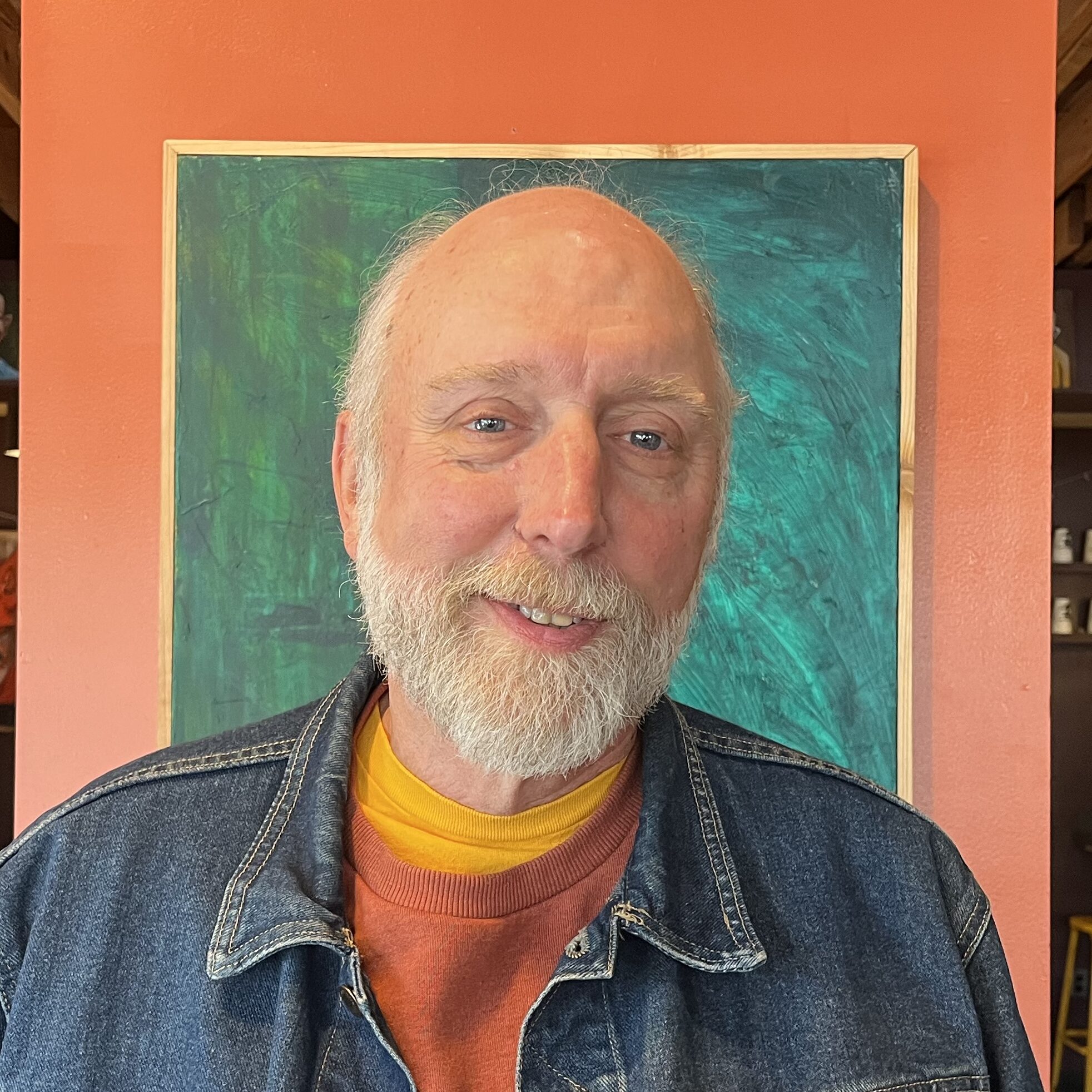
1. Who are you? Tell us about yourself.
I grew up in Maryland. I came to Idaho in 1984 to study mechanical engineering. I graduated in 1988 with a Bachelor Science in Mechanical Engineering and went to work for the Boeing Commercial Airplane Group. At Boeing, I worked on teams that would solve unanticipated production problems and trained incoming engineers in structural analysis techniques required by the FAA and Boeing. I am a married father of four grown children. My hobbies are camping and car restoration.
2. What inspired you to run for this office?
My wife and I retired early to move to Moscow to care for her brother who was losing a battle with cancer. Within eight months, I realized I was not embracing retirement. I still had something in the tank. I was always confronted with significant challenges in aerospace and relied on my discipline and people skills to achieve success. The pace was pressure-filled and rigorous. City Hall faces significant challenges that aren’t being managed as they should in terms of priorities and pace. Possessing leadership and people skills, I think I can inspire change. I went all in.
3. What would make you qualified for this position?
I overcame significant challenges in the managing of problem solving and process improvement in my engineering career. I coordinated large groups of people in a multitude of offices representing varied and necessary skills and commodities gathered to solve problems in the manufacture of commercial jet aircraft. Written and spoken communication between the correct people aligned on the problem and its solution was vital for success. Measurable outcomes defining success were critical. Accountability to the plan was essential. Competence in these attributes qualifies me for this position.
4. What are three main goals you have for your time in office?
To have been seen as a mayor who leveraged high performing people and teams in city administration to the to the betterment of Moscow.
To have been seen as a mayor who stabilized underperforming city functions, characterized their shortcomings, facilitated corrections to mitigate the identified shortcomings, implemented and measured the effectiveness of needed corrections, update procedures and policies to reflect the improved process.
To have been seen as a mayor who cleared the way for expedited community development through elimination of unneeded or punitive regulations.
5. What characteristics or principles are most important for an elected official?
A leader should do nothing from selfish ambition or conceit. A leader should, in humility, count others more significant than himself.
A leader should welcome trials and challenges knowing that the testing of ideas and theories can lead to significant achievement and robust success.
6. What responsibilities of this office do you personally consider the most important?
The decisions made in city hall affect people’s homes, livelihoods, families, and futures. Decisions should be made sincerely, in earnest, with all the seriousness they deserve.
7. What organizations or individuals have endorsed your campaign, if any?
No organizations or individuals have endorsed my campaign. Plenty of individuals are rallying around my campaign. I accept no cash donations.
8. What do you see as the biggest challenges facing our community right now?
Through the lens of Alex as the mayor of city government: city budgetary issues and a skewed paradigm of city growth priorities are significant challenges.
Through the lens of Alex as man on the street: fat-headed intolerance masquerading as virtuous, thoughtful behavior. People unwilling or unable to carry on civil, well-reasoned, respectful conversation about current issues without resorting to name calling or virtue signaling to avoid finding ways to agree. Too many people living in echo chambers.
9. What do you love most about Moscow?
This city has a unique and charming character nurtured by the distinct communities within its boundaries; the colleges, the businesses, the restaurants and theatres. I am enchanted with the Palouse. Simply walk down Main Street on a cool autumn evening with the lighted trees and the golden light of the setting sun and one sees the image of the perfect postcard celebrating Moscow.
10. What do you believe is the ideal relationship between the city and the state government?
When policy and decision making has been enabled at the lowest level of organizational structure. Those closest to the policy or function are in the best position to accurately judge the scope of the problem and the adequacy of the solution.
11. How do you stay informed about current events and issues affecting the city?
I watch city proceedings on YouTube to keep up with meetings in city hall. I have regular conversations with students and business owners in my circle of friends that inform me of local hot topics.
12. How do you approach budgeting for the city’s services and programs?
Differentiating what we must have from what we’d like to have. You don’t keep spending on ‘like to have’ items when the ‘must have’ obligations are lagging.
13. How do you prioritize long-term projects versus short-term initiatives
If something is identified as a critical need in terms of public safety, that need would rise up in priority. Everything else would get ‘racked and stacked’ in a way that made economic or logistical sense.
14. How do you plan to involve residents in the decision-making process in our town?
Citizens are free to bring requests to city hall at scheduled city council meetings. The act of making decisions is the role of the elected city council members. At that time, there is no defined role for residents that would be recognized as involvement in decision making.
15. What initiatives will you take to increase voter turnout and participation in local elections?
As mayor, I would make no plans to increase voter turnout or participation. The citizens can decide for themselves, with no influence from the mayor’s office, to participate in, ignore, or boycott local elections.
16. How would you enhance transparency and openness in government proceedings?
The current structure of carrying out government meetings (city council and various committees) are adequately open and transparent.
17. What strategies will you employ to encourage youth involvement in civic affairs?
That seems like an activity better suited to parents and educators than the mayor’s office. I would welcome inquiries from those entities on ways to embellish their efforts but would not seek to strategically direct them.
18. What will you do to hold yourself and your administration accountable to the public?
I would maintain the openness and transparency indicated in question 16.
19. How will you handle conflicts of interest within your administration?
Look to the answer in question 5.
20. How do you think Moscow is doing with crime, policing and public safety?
Quite well. The day is coming when the choice to stay with a volunteer firefighting force or replace it with a paid force will need to be definitively made.
21. What reforms, if any, would you like to implement within the local police force?
At present, as a mayoral candidate, I have no reforms in mind for the police force. As mayor, I would welcome the input of the police chief to address any citizen concerns brought to the city council regarding the policing of the city of Moscow.
22. How will you address the growing concerns about affordable housing?
The solution lies with participation of all the stakeholders. Concerned citizens, developers, builders, government, and local businesses need to bring their needs and desires to the conversation. In good faith and sober mindedness, a way forward must be established that makes every reasonable effort to satisfy needs at a minimum. If we find space to also fulfill some desires, all the better. All voices must be involved.
23. If you could change one thing in our zoning code, what would it be and why?
I would like to see more mixed use zoning that permits suitable businesses to be integrated into neighborhoods to meet the needs of the people of those neighborhoods.
24. How do you feel about the transportation options currently available in our city? Can all of our residents affordably get where they need to go? If not, what will you do to improve transportation in our city?
I was not aware that transportation was an obligation the city owed to the residents. I think free transportation (read that as buses) is unsustainable. Buses need upkeep and resources. To the extent services can be provided using grants, the city should participate. Beyond that, any increase in service would be the work of the city council to figure out.
25. What steps will you take to maintain and improve critical utilities like water and electricity?
There are experts and well-informed citizens who have embraced the challenge of understanding the Palouse Basin aquifer. I’m confident my engineering training will equip me to understand the ideas they propose and to support the best solution for clean, reliable water that is timely and effective. I will throw my effort in to help in any way within my defined authority.
Also, I hear from folks who walk throughout Moscow that we have a noteworthy number of light poles that are not functional. Couple that with uneven sidewalks and you have a risky setup for injury. Get those lights lit!
26. What initiatives will you implement to support local agriculture and urban farming?
I am unaware of any initiatives at this time. Any that are brought to my attention will get all of the consideration they deserve.
27. In what ways do you plan to support the local arts and culture scene?
Arts and culture should be the purview of city council. As mayor, I would defer to the decisions of the city council to support tasteful expression of the local art culture. Tacky or tasteless culture that would tarnish Moscow’s high standing in the arts community might prompt redress from the mayor’s office.
28. How will you work with local small businesses to support their growth?
I encourage business to see City Hall as a friend. Whatever policymaking power the city has to facilitate the success of our local businesses, I wish to direct the city staff to apply that power. We need to have open lines of communication that the business community trusts and respects.
29. What incentives or programs will you develop to retain young professionals in our city?
That is the work of the businesses in our city who need a talented workforce. If the business community describes a way that the city can help them achieve retention goals I would certainly be receptive to facilitating that effort to the extent of my capabilities.
Dakota Steffen can be reached at [email protected].
Alex Simon
Absolutely. Which statement do you find flippant? I'll happily clarify.
Ron McFarland
Thank you so much for providing this service. Is this Simon character actually serious?