
The City of Moscow has three city council seats open for election in 2025, with eight candidates currently running. Each term will last for four years.
The Argonaut conducted questionnaires for each candidate. Each of the responses below have been edited only for spelling as necessary. Each candidate was asked the same questions and given the same amount of time to respond. Candidates are listed below in order of filing date, according to the Latah County Elections Office.
Find more information on how to vote in the 2025 General Election at https://www.uiargonaut.com/2025/10/24/2025-elections-moscow-voters-guide/.
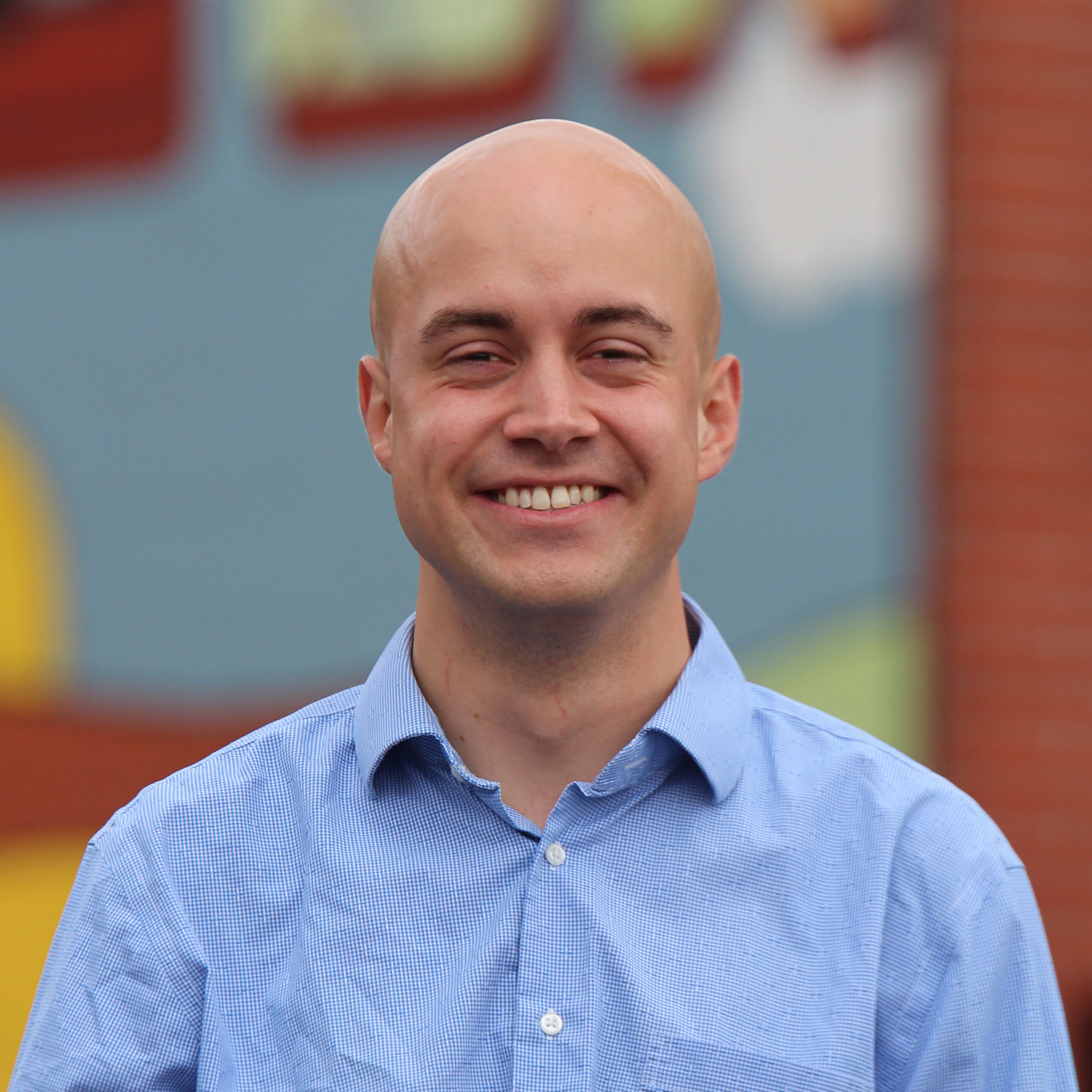
Sage McCetich
1. Who are you? Tell us about yourself.
I’m Sage McCetich. As a lifelong Moscow resident and University of Idaho graduate, I have deep local roots and a passion for public service. I have a vast resume of non-profit board experience, and serve on Moscow’s Fair and Affordable Housing Commission. I’ve served Moscow professionally as a local Realtor, and am the Broker and Owner of Blue Sky Real Estate. I support accessible, affordable housing, strong K-12 public schools, and water security on the Palouse. I’d encourage you to learn more about me at www.sageforcitycouncil.com.
2. What inspired you to run for this office?
I love Moscow, and have a passion for public service. I believe it’s critical to continue to support public institutions. Public schools, libraries, police, fire, and public utilities require excellent public support, both financially and practically, in order to allow communities to thrive. City government is where you can have the biggest impact – not only as a concerned citizen, but as a community representative. The spark that ignited my interest in running for City Council this year, in particular, was last year’s national, state, and local election results.
3. What would make you qualified for this position?
I have a plethora of nonprofit board and civic experience. I’ve served on the boards of Sojourners’ Alliance, United Way of Moscow/Latah County, Backyard Harvest, Moscow Charter School, Latah County Library Foundation, Palouse Land Trust’s Advisory Board, Latah County Board of Realtors, Palouse Clearwater Environmental Institute (PCEI), and Moscow’s Fair & Affordable Housing Commission. I’ve attended several City Council meetings over the course of the last decade, and have attended some Council Admin Committee and Public Works/Admin meetings, too. I want Moscow and its people to thrive.
4. What are three main goals you have for your time in office?
- Generate more accessible, affordable housing opportunities by modifying zoning code, increasing opportunities for grants and subsidies, and encouraging higher-density, small-footprint residential and mixed-use development and infill.
- Secure a potable water supply, most likely through the proposed Clearwater River project as a result of the research compiled by Palouse Basin Aquifer Committee.
- Support K-12 public schools, and the Moscow School District’s pursuit of new facilities.
5. What characteristics or principles are most important for an elected official?
It’s paramount to listen to constituents, prepare for meetings by reviewing materials submitted and by gathering information from experts, and to attend to the public with curiosity, patience, and understanding before making decisions that impact Moscow’s present, as well as the distant future.
6. What responsibilities of this office do you personally consider the most important?
Showing up with an open mind and a passion to serve others is at the core of what being an elected official obligates you to do. It’s important to prioritize diversity, equity, and inclusion.
7. Are there any little-known powers or responsibilities held by this office that you believe more people should be aware of?
I wouldn’t know how to answer this, as this is the first time I’ve run for City Council, as well as for public office, and only an incumbent would know how to best answer this.
8. What organizations or individuals have endorsed your campaign, if any?
Conservation Voters for Idaho is the only organization that has endorsed my campaign that I’m aware of. You can find out more about CVI here: https://cvidaho.org/
9. What do you see as the biggest challenges facing our community right now?
Accessible affordable housing, water security, and public school facilities are all on the horizon, and in my view, all immediate issues to make plans and secure funding for.
10. What do you love most about Moscow?
The people. Downtown. The parks. The art. The University. The warm, inviting friendliness that I so often find when I go anywhere here. Moscow is a safe, comfortable, welcoming place to live, play, and work, and I’d love to see it continue to thrive as “a Gem in the Gem State”, as I like to say.
11. How do you stay informed about current events and issues affecting the city?
I stay informed by attending City Council meetings and tuning into Council meetings via YouTube, by paying attention to Reddit and Facebook forums, and by staying engaged with citizens through work and nonprofit boards. I tune in to Moscow-Pullman Daily News occasionally, too. I’ve been to several council, admin, and public works meetings over the past year, and several city council meetings over the past 10 years or so.
12. How do you approach budgeting for the city’s services and programs?
I, admittedly, haven’t read the city’s budget in full. But I’m happy to share the bits and pieces I’ve learned from attending city council, finance, and the budget workshop over the last year. The city doesn’t have a huge tax revenue base to begin with. Moscow’s tax revenue is roughly about ⅓ of what Lewiston’s is. We’re in need of more tax revenue to serve 25,000 people. A temporary hospitality or tourism sales tax for event weekends and/or increases in residential and commercial property supply. Moscow’s spending is low, and every penny is used carefully.
13. How do you prioritize long-term projects versus short-term initiatives?
I would highly prioritize long-term projects. Good strategic planning and governance is critical not only to saving huge amounts of money, but also to make sure the city is staying on course and on-task with its greatest needs. A good city council works together effectively to make a comprehensive plan, and make sure its actions align with it over long periods of time. The next comp plan will be in 2029. Urgent issues will arise, and I believe the city has done and will continue to do a good job managing their funds as those short-term needs arise.
14. How do you plan to involve residents in the decision-making process in our town?
Every council meeting begins with a public comment period, where folks have up to three minutes each to present comments and concerns to the Mayor and Council. The City of Moscow has 11 commissions, each made up of appointees of citizens to discuss various areas that are prudent to our quality of life here in Moscow, and they each present issues to Council. I presently serve on the Fair and Affordable Housing Commission as Secretary. I’d love to see more residents join commissions and attend meetings – a participative democracy makes for a more effective government. But first, vote!
15. How would you enhance transparency and openness in government proceedings?
I’m honestly not sure. The City of Moscow does a great job of making their meetings accessible. Their meetings are live-streamed on YouTube, and available afterwards for viewing, too. The Council Chambers are on the second floor of City Hall, and the building has an elevator. The meeting agendas, minutes, and packets are all available on the City’s website for download. Presentations from city staff and commissions are displayed on a projector. I’d like to see another projector display and/or display monitor that’s a bit closer to the audience, but I don’t know that the City has the money.
16. How do you think Moscow is doing with crime, policing and public safety?
Moscow is widely considered to be one of the safest cities to live in the United States. Some of the recent events that have garnered national attention are not representative of the quality of life here. I think policing and law enforcement starts with education of code. Moscow PD does a pretty good job keeping conflicts de-escalated and educational, but there’s room for improvement. One existing challenge is a hiring shortage of four full-time police officers versus what Moscow PD usually has. Anthony Dahlinger, Moscow’s Police Chief, is very approachable and welcomes input.
17. What reforms, if any, would you like to implement within the local police force?
Based on my in-person and phone call experiences with Moscow PD’s officers, I’d like to see more city code education. Moscow PD’s Code Enforcement Officer, Gary Stedman, is an excellent resource if you have questions about code, but much of the PD doesn’t understand it like he does. The code is also available on the City’s website, but not everyone has the time or resources to review it all. As a police officer, I believe there’s a higher standard of code education that’s dutiful to understand, and that understanding can significantly lessen conflicts as they arise and improve community relationships.
18. How will you address the growing concerns about affordable housing?
This is something I’m deeply passionate about as a local Realtor for the past 10 years, and as Secretary of the Fair and Affordable Housing Commission. A housing authority, a quasi-governmental entity that may buy, lease, sell, develop property, can increase funding for affordable housing projects by applying for grants that the City cannot apply for directly. Authorization of a housing authority is before Council now, and could improve the supply of affordable housing. However, to lessen this issue, it’ll require modifications to zoning code, state and federal funding, and smaller accessible, affordable housing supply.
19. If you could change one thing in our zoning code, what would it be and why?
Parking space requirements are perhaps the biggest non-essential density barrier to residential development. I’d like to see less space required for parking for “in-fill” development and less individualized, undeveloped land in order to satisfy the immediate need for more small housing (as aforementioned).
20. What initiatives will you implement to support local agriculture and urban farming?
Water conservation is the key. I’m endorsed by Conservation Voters for Idaho. Farming technologies have improved tremendously, allowing local farmers to use less space and less water to produce quantities needed to remain sustainable. I’m a huge advocate of land conservation, hence my prior statements about increasing density for residential and mixed-use development. Palouse soil creates a challenge for farmers and builders alike. Clay is fortunately quite good at retaining water and nutrients, but it’s bad at allowing the drainage often required for stormwater to escape. Continuing a balance of land usage for development and conservation is critical.
21. In what ways do you plan to support the local arts and culture scene?
Moscow is the “City of Trees”, “Fest City”, and the “Heart of the Arts” for a reason! Moscow’s vibrant art and culture are part of what makes this city special and exceptional. Whenever possible, upholding funding for the Arts department, and continued support of art displays that promote diversity, equity, and inclusion are what makes Moscow a beautiful place to live, play, and work.
22. How will you work with local small businesses to support their growth?
I mentioned this at the Moscow Chamber of Commerce forum, and I’ll gladly reiterate it here. I’ve been a Chamber member in one way or another for the past decade. We don’t have community stability without water security. The need for the Palouse region to secure a secondary supply of water, mostly likely from the Clearwater River, is paramount for the City of Moscow. The Palouse Basin Aquifer Committee, PBAC, is holding their annual Palouse Basin Water Summit on 10/28 at 3pm at SEL Event Center in Pullman, WA, where we can learn more about this.
23. What incentives or programs will you develop to retain young professionals in our city?
As an undergraduate, I participated in the University of Idaho’s Entrepreneurship program, where I went to business plan competitions and elevator pitch events across the region. I’d like to see these programs reimagined through the Moscow Chamber of Commerce in conjunction with the Pullman Chamber of Commerce. Ultimately, though, employment opportunities and affordable housing drive retention of high school, UI, and WSU grads, so continuing efforts to supply accessible, affordable housing is important, too.
24. How do you handle disagreements between yourself and other members of the city council?
Disagreements and conflicts are inevitable, and I’m comfortable with these situations. My experiences as a real estate broker, seasoned board member, soccer coach and referee, and campaign manager roles for two successful campaigns have well-prepared me for conflicts among fellow Councilors. I’ve always been quick to admit when I misunderstand something, and appreciate the time and effort others put in to helping me understand. Remembering to listen more than I speak and remain inquisitive will be critical to resolve conflicts as they arise. Gratitude and kindness are crucial, too. If you’ve ever met me, you’ll know I’m a happy guy.
25. How do you evaluate the effectiveness of policies and programs implemented by the city council?
Receiving feedback via surveys, statistical measurement, and public comment all contribute to the effectiveness of policies and programs. My question is how, with this information, do we continue to fine-tune and improve what’s been implemented? I think the answer to that is continuous participation. We can’t solve problems we don’t know about. I hope the community continues to participate beyond their vote, because that’s only where a functional democracy starts. It continues with ongoing participation.
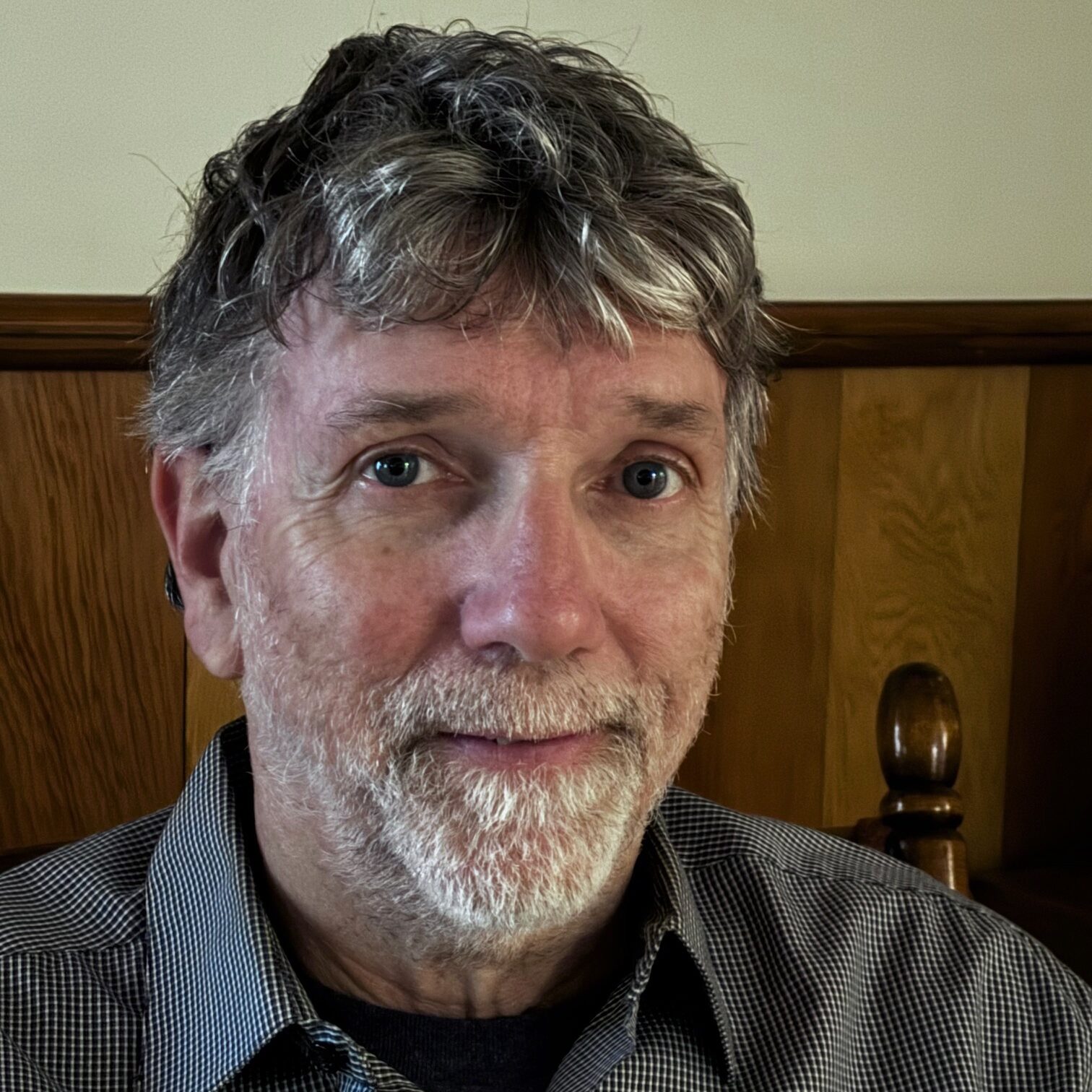
Evan Holmes
1. Who are you? Tell us about yourself.
I arrived in Moscow more than 30 years ago, planning to stay just long enough for my wife Nancy to earn a graduate degree from U of I’s College of Natural Resources. Moscow’s easy pace, quirky charm and welcoming aura immediately captured us, so we changed course and stayed. I expanded and renovated a small house, which led to 30+ years of carpentry/contracting. We raised our children here (one U of I grad). We’ve started and operated three small businesses. I’ve volunteered for numerous civic, school and governmental organizations. I enjoy the energy that arises from public engagement.
2. What inspired you to run for this office?
The good energy of Moscow — its neighborhoods and its people — flows everywhere and elevates all of us. Moscow can claim the blue ribbon for livability among small cities in the west. The #1 job of City Council is to keep it that way, and I have the time, energy, knowledge, and skills to do so.
3. What would make you qualified for this position?
I am very familiar with Moscow’s history, geography, neighborhoods, private organizations and government. I’ve attended more than 200 City Council meetings and public hearings. I served two separate terms (9 years) on the Zoning Board of Adjustment and Board of Appeals. I participated in the writing of the city’s mission statement and two revisions of its comprehensive plan. I know the challenges of operating a small business and understand the legal underpinnings of contracts, insurance and budgeting.
4. What are four main goals you have for your time in office? (Editor’s note: Evan Holmes edited the question to list four goals instead of three.)
- Guarantee the efficient and reliable delivery of the city services we all depend on.
- Tax fairly. Spend carefully. Grow deliberately.
- Shorten timelines and increase options for the construction of affordable housing.
- Build COMMUNITY by recognizing, supporting, and amplifying the work of local businesses, non-government/non-profit organizations and hundreds of volunteers that innovate and expand our possibilities.
5. What characteristics are most important for an elected official?
Dependability, accessibility, availability, fair-mindedness, frugality, honesty. In addition, knowing that:
- every voice deserves to be heard
- it’s your money
- data is more valuable than dogma
- explaining “why” is as important as explaining “what”
6. What responsibilities of this office do you personally consider the most important?
- Developing the city’s annual budget, with the understanding that within it is the framework of planning, goal setting, and prioritizing.
- Providing essential services efficiently.
- Integrating city-level decision-making with knowledge of the plans, budgets and priorities of Latah County, Moscow School District, University of Idaho, Moscow Chamber of Commerce and business stakeholders.
- Communicating openly and effectively with residents and non-governmental organizations.
7. Are there any little-known powers or responsibilities held by this office that you believe more people should be aware of?
The Mayor and City Council members promote/represent the city and its interests to other county, state and regional affiliations and governing bodies.
8. What organizations or individuals have endorsed your campaign, if any?
Three former Moscow mayors. Several former and current City Council members. One former and one current Latah County Commissioner
9. What do you see as the biggest challenges facing our community right now?
- Meeting our workforce needs, especially with regards to affordable housing.
- Finalizing a plan for a secondary water supply so we can begin negotiations for water rights.
- Adapting to changing demographics.
10. What do you love most about Moscow?
- Easy access to a variety of cultural, educational, and sporting events, enhanced greatly by the presence of U of I
- Nearby outdoor recreation opportunities
- Low noise and congestion, walkability, bikeability
- Diversity of cultures and perspectives
- I value Moscow’s sense of community and neighborly support
11. How do you stay informed about current events and issues affecting the city?
I regularly attend or stream City Council meetings, and some city board and commission meetings. I follow City of Moscow on Facebook. I read Daily News and Lewiston Tribune articles online. I occasionally listen to Pullman Radio News, KRFP evening report and pick up the Argonaut when I’m on campus. I follow Moscow Report for info and recordings of city and county meetings, hearings and activities.
12. How do you approach budgeting for the city’s services and programs?
By balancing the capacity of the revenue streams, the needs of the department heads and the priorities of the strategic plan.
13. How do you prioritize long-term projects versus short-term initiatives?
By ranking them according to urgency, scope and cost. Special consideration to the revenue streams that can be used to meet the costs.
14. How do you plan to involve residents in the decision-making process in our town?
Keep citizenry informed with my website and social media. Meet with stakeholders and civic organizations. Encourage residents to join advisory committees and/or attend their meetings. Email. Continue data gathering via resident surveys.
15. How would you enhance transparency and openness in government proceedings?
Be sure to clearly articulate current processes, provide information about upcoming initiatives, outline associated costs, and describe avenues for submitting input and feedback to the city.
16. How do you think Moscow is doing with crime, policing and public safety?
According to surveys and statistics, public safety oversight and response is reported to be above average. A conundrum arises when we are unable to afford these services at the level we need, but can’t minimize them to the level we can afford.
17. What reforms, if any, would you like to implement within the local police force?
Input on this topic needs to come from the public, then be weighed and acted upon by the Mayor, the city manager and the police chief.
18. How will you address the growing concerns about affordable housing?
Removing obstacles, lowering startup costs and shortening timelines for building starter homes. Exploring the advantages gained by funding/authorizing a housing authority. Pointing the way for housing cooperatives to form. Encouraging more creative use of zoning types and promoting planned-unit-development overlays. This is a big job for city council — it has been, should be, and always will be, because competition for housing is an indicator that your city is growing, livable and desirable.
19. If you could change one thing in our zoning code, what would it be and why?
Require more deliberate consideration/specifications before allowing infill development with structures taller than 16 feet in established neighborhoods regardless of what the original zoning may be.
20. What initiatives will you implement to support local agriculture and urban farming?
Seek input from local farmers and growers, the U of I Soil Stewards, and the Moscow Food Coop can for guidance on initiatives and programs that could help support urban farming. Looking at other communities that excel in this area could provide models for enhanced support.
21. In what ways do you plan to support the local arts and culture scene?
I will continue advocating to support established events, venues and purveyors.
22. How will you work with local small businesses to support their growth?
Stay out of their way. Support Moscow Chamber of Commerce, whose programs provide business support needs.
23. What incentives or programs will you develop to retain young professionals in our city?
This question would benefit from greater specificity. In any case, initiatives aimed at affordable housing are closely linked to workforce retention challenges.
24. How do you handle disagreements between yourself and other members of the city council?
I don’t anticipate problems communicating and planning with other council members, the mayor, city staff or department heads. We are all guided by the same ultimate goals and objectives. That said, I know that respectful listening, professional demeanor and seeking common ground will move any disagreement towards resolution.
25. How do you evaluate the effectiveness of policies and programs implemented by the city council?
Review the annual goals and objectives. Watch expenditures and revenues. Conduct surveys. Listen to the constituents.
Scott Sumner
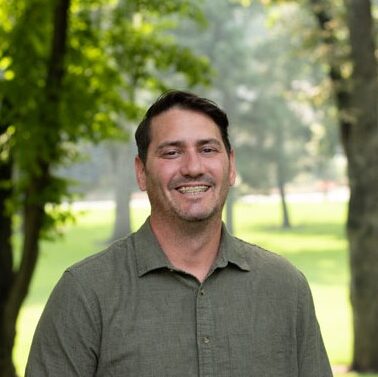
1. Who are you? Tell us about yourself.
I graduated from MHS and earned a degree in civil engineering from U of I. I’m the co-founder and vice president of SynTier Engineering, and I enjoy the work that I do and the people that I work with.
This spring I will celebrate my 20th wedding anniversary to my amazing wife, Eija. She and our three kids are always there to champion my successes and support me through my struggles. They’ve been awesome during this campaign.
My time is spent enjoying my kids’ activities, playing basketball, or appreciating Moscow’s rolling hills on the U of I golf course.
2. What inspired you to run for this office?
Running for City Council wasn’t on my mind until I was approached by current council member Hailey Lewis to run. I’ve gotten to know Hailey from my time as chair of the Transportation Commission. Hailey’s energy, passion, and commitment to Moscow are contagious. The more I talked to people around town about the challenges we face, the more I realized that I have the skills to help meet those challenges.
I love living in Moscow, and I want to ensure the same l opportunities I’ve had here are available to everyone, including students and Vandal grads.
3. What would make you qualified for this position?
As a civil engineer, I’m familiar with roads, utilities and the infrastructure the city manages on a daily basis. Critical thinking and making complex decisions are an everyday part of my job. I have worked with city staff, and I have good working relationships with them. As the chair of the Transportation Commission, I have experience and knowledge of the relationships between the commissions and City Council, as well as how the public interfaces with them. As a business owner, I understand budgets, decision making, and how small businesses operate and are affected by decisions made by the City Council.
4. What are three main goals you have for your time in office?
- Positive Incremental Improvement – I want to make sure that Moscow is getting better every day. Most of the issues the city faces take long-term solutions and changes that build over time.
- Strategic Sustainable Growth – We need to make sure we are growing our city in a strategic way that ensures we are maintaining Moscow’s personality while expanding opportunities for businesses and housing.
- Providing the Greatest Good with our Budget – As a business owner, I manage budgets daily. As Transportation Commission chair, I’ve talked with city staff about how Moscow’s finances work, and I’m prepared to handle the complexities.
5. What characteristics or principles are most important for an elected official?
Passion and determination are two elements that are essential to do the job. It takes work to be prepared for each City Council meeting and make educated decisions that are the best for Moscow.
To make educated decisions, you have to be able to communicate well, reach out to the experts in their fields, and gather as much information as possible from people who will be affected by the city’s decisions.
Lastly, I believe in treating everyone with respect and listening to people’s points of view, even if we don’t see eye to eye.
6. What responsibilities of this office do you personally consider the most important?
Integrity and consistency. I think that if you have integrity, then you can lead by example. Doing the right thing even when it is hard and standing up for the most vulnerable will go a long way to being a great City Council member. Consistency in a council member’s actions and decisions allow the public to have confidence that everyone is treated fairly and that you are not making your decisions based on who is presenting the questions, but based on the issue itself.
7. Are there any little-known powers or responsibilities held by this office that you believe more people should be aware of?
I think that it is the responsibility of City Council members to be active in the community, engaging with people who otherwise wouldn’t be active, and be an ambassador for the community.
8. What organizations or individuals have endorsed your campaign, if any?
I think that the people within the community should be the focus of a City Council campaign. It’s been humbling to hear from people who support me and believe that I would be a good City Council member. People have requested almost 150 yard signs, and I’ve received dozens of donations from community members. I’ve also talked to organizations around town and learned about what their members care about.
Having the support of mayoral candidate Hailey Lewis and current City Council members Bryce Blankenship and Drew Davis has also been really meaningful to me.
9. What do you see as the biggest challenges facing our community right now?
Housing is the No. 1 issue for Moscow, whether that is making sure people can afford to stay in their current homes, finding short-term or emergency housing for people who need it, or making sure we have a spectrum of housing including long-term rentals, achievable first-time homes, or higher-end homes that can be used to attract high-end professionals. All types of housing is needed, and it is going to take many stakeholders, public and private, to alleviate the shortage that we currently face.
10. What do you love most about Moscow?
It has the small town charm with the resources and activities of a larger city. In Moscow, we can walk downtown and ride bikes just about anywhere. My kids’ teachers are friends and neighbors, and I see people I work with all over town. With the two universities, we have a diverse range of activities, resources, and people that give us bigger-city opportunities.
11. How do you stay informed about current events and issues affecting the city?
Reading the Moscow-Pullman Daily News, talking with community members, and being active in the community. I talk with a wide range of people and try to gain perspective on what is going on and what is important to people in the community.
I also attend City Council meetings frequently, both for my business and for the Transportation Commission, so I’m familiar not only with the issues, but also with how the city is approaching them.
12. How do you approach budgeting for the city’s services and programs?
It is a balancing act of meeting immediate needs and planning for long-term benefits. As a business owner, I have a lot of experience finding that balance. After that, the goal is to prioritize the items that are absolutely necessary, and then provide the greatest good we can with the money we have.
13. How do you prioritize long-term projects versus short-term initiatives?
Answered in question #12.
14. How do you plan to involve residents in the decision-making process in our town?
I want to meet residents where they are. I think that City Council members have to be active in the community and seek input. I think people often think their concerns aren’t significant enough to raise to the City Council. But if they are having those concerns, more than likely others are, too. So I think that City Council members need to engage the public directly.
15. How would you enhance transparency and openness in government proceedings?
I think that this goes along with question 14. I think that City Council members and city staff need to be able to break down complicated and technical topics into easy to understand pieces. The more residents know about the topics, the easier it is to have conversations, and the more information the council has for making decisions.
The consistency I discussed earlier is a big key as well. When people know what to expect from the city, the city’s decisions are more transparent and open.
16. How do you think Moscow is doing with crime, policing and public safety?
I think overall, Moscow is a pretty safe place, and I think that our police department has a good focus on community policing. As with everything, I always think there’s room for improvement and fine-tuning our processes. Transparency and accountability are always important issues in discussions about policing, too.
17. What reforms, if any, would you like to implement within the local police force?
Currently, I don’t have any major reforms on my radar, but I’m looking forward to diving deeper into the issue. I am always open to hear from community members and the police department about their concerns and values, as well as reaching out to other communities and experts.
18. How will you address the growing concerns about affordable housing?
I know housing is the top issue for many people, especially the university community. It’s complex, and it’s not just Moscow, it’s national.
I like to say “achievable housing” instead of “affordable housing.” People tend to think of affordable housing just in terms of price. That’s market-driven, and the city doesn’t have a lot of control over it.
But we can do other things. Creating achievable housing is about rethinking housing. The city can influence this through tools like zoning and parking regulations. We should consider public-private partnerships and creating a housing authority. Everything needs to be on the table.
19. If you could change one thing in our zoning code, what would it be and why?
Staying on the topic of housing, I would adjust some of the zoning codes to allow more flexible uses within new residential zoning. I think there are opportunities to allow for more creative solutions in housing units styles that could entice developers and home builders to increase the housing supply and range in Moscow. Planned Unit Developments are a great resource that the City of Moscow allows, and I think that some of those elements of a PUD could be utilized in other zones.
20. What initiatives will you implement to support local agriculture and urban farming?
As Moscow grows and develops, I think it is important to look internally for places within the city that need redevelopment, as opposed to eating up local culture by expanding endlessly into farming land. Urban sprawl not only reduces the urban farmland that’s close to the city, but it also strains our utilities with large extensions, sewage lift stations, and long roads that the city is ultimately on the hook for maintaining.
21. In what ways do you plan to support the local arts and culture scene?
Attending as many events as possible, spreading the word about the amazing things our artists and cultural leaders are doing, and being an advocate for city and community support for arts and culture. The city of Moscow is the Heart of the Arts for a reason. There are a lot of opportunities with the universities and our community as a whole to celebrate with our very talented residents.
22. How will you work with local small businesses to support their growth?
As a business owner, I’m a huge supporter of my fellow local businesses. They’re the heart of our economy. They hire the most employees around town and keep our diverse community alive. I always encourage people to shop locally when they can, because those dollars stay local and are a reinvestment in our community.
As a City Council member, I would listen to business owners and make sure they’re included in city discussions. The council also plays a role in supporting small and local businesses by making sure that processes are efficient and city officials and staff are responsive.
23. What incentives or programs will you develop to retain young professionals in our city?
One of the biggest things the city can do is more focused outreach with the university to show our future graduates the personal and professional opportunities Moscow has for them and our wonderful community. Moscow has so much to offer, but a lot of U of I and WSU students only experience a small portion.
We also need to ensure we have businesses that meet young professionals’ needs and housing they can afford and want to live in. Without that, they can’t stay even if they want to. We have to do better.
24. How do you handle disagreements between yourself and other members of the city council?
I will encourage respectful disagreements. I think respectful disagreement is healthy and that it helps determine better solutions. I’ve learned that as an engineer. I hire people who think differently than I do, because I want to hear other ideas and perspectives, not just my own.
To disagree respectfully, City Council members have to be prepared and knowledgeable, as well as be open to other people’s ideas and willing to compromise to come to the best solution.
25. How do you evaluate the effectiveness of policies and programs implemented by the city council?
The city’s policies and programs have to be considered from a long-term perspective. Most of the decisions the city makes take effect over five, 10 or 20-plus years. If the city is making small, positive, incremental changes all the time, which is one of my top goals, the full benefits won’t happen immediately, but they will happen.
Stephen “Steve” Bonnar

1. Who are you? Tell us about yourself.
- I received my undergraduate degree from the U. of I. in 1982.
- I received my Education Specialist degree (Counseling & Human Services) from the U. of I in 1997.
- I started the Alpine Ski Team in 1978.
- I started the Frizbee Club (Out of the Blue) in 1978.
- I started the first Summer recreation program on campus in 1978.
- DJ’d at KUOI for 3 years.
- I currently work at the U. of I. taking reservations and coordinating events at Pitman, ISUB and Admin Aud.
2. What inspired you to run for this office?
The week before filing for candidacy, dialogue erupted in our community about women should lose their rights to vote or being told how they should vote. I don’t agree with this view or limiting anyone eligible from voting. This triggered my exploring, then ultimately filing for City Council position.
3. What would make you qualified for this position?
- 2001-2006 Palouse Regional Crisis Line-Fielded 30k calls. Intervened on 200+ suicide calls.
- 2006-2020 Executive Director Sojourners’ Alliance
- 2006-2021 State of Idaho Homelessness Coordinating Committee Board member (IHCC)
- 2009-2013 Chair- Strategic Planning Committee (IHCC)
- 2011-2014 Chair- Moscow Poverty on the Palouse Forum
- Resulted in the Family Promise of the Palouse
- Resulted in the Chas Clinic opening
- 2011-2020 Treasurer, Moscow Affordable Housing Trust
4. What are three main goals you have for your time in office?
- Resolve the pending water crisis.
- Support the development of a Housing Authority that can address affordable housing.
- To ensure the police department has the resources needed to provide public safety.
5. What characteristics or principles are most important for an elected official?
- Be honorable and forthright in all manners.
- Make decisions by thoroughly understanding the choices and consequences.
- Remain humble.
- Fiscally conservative.
6. What responsibilities of this office do you personally consider the most important?
- To remain approachable by the constituents in order to objectively support the well being of Moscow.
7. Are there any little-known powers or responsibilities held by this office that you believe more people should be aware of?
I have no idea.
8. What organizations or individuals have endorsed your campaign, if any?
- Former Moscow Mayor- Nancy Chaney
- Current Latah County Commissioner- Tom Lamar
- Current Moscow City Council member- Sandra Kelly
- Retired Dean of Students- Bruce Pitman
- Executive Director Latah Recovery Center- Darrell Keim
- Executive Director Hills and Rivers Land Trust- Nils Peterson
9. What do you see as the biggest challenges facing our community right now?
- WATER! The aquifer has been dropping at a rate of 1.4 feet per year. It is unknown the quantity available for use.
- LAND! We must use it wisely and plan on how Moscow will be in 50 years. Fifty years ago, the edge of Moscow was Mountain View road, to give a glimpse.
10. What do you love most about Moscow?
A house is built with bricks, wood, metal and glass. A home is built with love, laughter, learning, warmth and empathy. Moscow is my home!
I was married on East City park stage. I’ve performed at Farmers Market 7 times. I can walk on the streets and know my neighbors. Moscow has such a wonderful atmosphere that provides the Farmers Market, as well as having culture, arts and athletics that can be found in any large city but to scale.
11. How do you stay informed about current events and issues affecting the city?
- I read the Daily News, Argonaut and national news.
- The interactions with friends and acquaintances who are actively engaged in a wide variety committees, non-profits and government provide further awareness.
12. How do you approach budgeting for the city’s services and programs?
The current budget is over 300 pages which is incredibly difficult to gain a clear picture on Moscow’s finances. I would need to have access to a Profit and Loss (P&L) report, then followed by a P&L details. I would also need to see a Balance Sheet which would highlight accounts receivable and payables. Reviewing this information will take several months to gain a clear idea of the City of Moscow’s finances. This information would allow me to make informed decisions.
13. How do you prioritize long-term projects versus short-term initiatives?
I would need to understand what projects or initiatives are currently in the works. I would then need to understand what each/any of them pertain to and what the implications are. I would follow this with doing a S.W.O.T analysis (Strength, Weakness, Opportunities, Threats) to prioritize projects and initiatives.
14. How do you plan to involve residents in the decision-making process in our town?
- I need to remain approachable and listen to different perspectives and views.
15. How would you enhance transparency and openness in government proceedings?
I don’t believe there is a need for more transparency. All City Council meetings are open to the public as well as being recorded and broadcast live. All meeting notes are available through the cities website.
16. How do you think Moscow is doing with crime, policing and public safety?
Currently, the Police Department has several vacant positions and two positions frozen due to funding cuts. Along with this, all individuals arrested and booked are now being transported to the Lewiston jail. This means, officers are on-call during their days off that need to be available for transport. Instead of having three 10 hour shifts per day with overlap, they are now doing 12 hour shifts.
I have many years of experience working with the department, professionally, and they are by far the best police department I have ever worked with.
17. What reforms, if any, would you like to implement within the local police force?
Nope, don’t see any reforms needed. But, the most important issue is to retain the officers with longevity as they will mentor the younger ones on how to handle situations that arise. This can be done by alleviating the shortage of officers and increasing morale. Provide in-house support systems. Last, increase the starting salary that is more than the City of Pullman’s.
Steve Bonnar did not answer questions 18-25.
John Slagboom
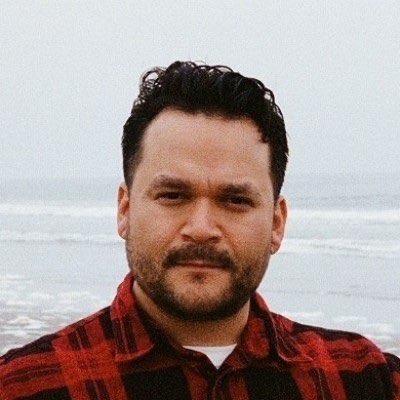
1. Who are you? Tell us about yourself.
https://www.johnslagboom.com/meet-john
I am John Slagboom, a husband, father, friend, and neighbor, and a candidate for one of the three open seats on Moscow’s City Council. I am a professional in the fields of Energy Management, Environmental Sustainability Consulting, Process Efficiency management, and Capital Projects management. I grew up lower middle class, a grandson of immigrants, and son of two hard working parents who did everything they could to raise my siblings and I well and put food on the table. I come from a family that believes that it is every citizen’s responsibility to be involved in civics at all levels.
2. What inspired you to run for this office?
https://www.johnslagboom.com/meet-john
Moscow is a wonderful place to raise a family in, and I would like to help sustain and grow the aspects that make it that way. My professional and academic background gives me a unique skillset in this regard, and I believe that it is well suited to helping Moscow grow to meet its burgeoning population without sacrificing the charm and characteristics that make Moscow the gem of the Palouse.
3. What would make you qualified for this position?
https://www.johnslagboom.com/experience
My professional qualifications and aptitude for administrative processes are well suited for this position. I am used to quickly reading through and comprehending large quantities of extensive technical and legal government documents to understand what must be, and what can be done about any number of complicated issues that the city is facing. Beyond technical abilities, I have a love for this town and the people in it, and that passion, combined with the professional skills and experience I bring to the table, are a powerful combination for an effective member of the City Council.
4. What are three main goals you have for your time in office?
https://www.johnslagboom.com/values
Removing barriers to housing and economic growth.
Enable thriving businesses and welcome new ones.
Provide beautiful public spaces and reliable services.
5. What characteristics or principles are most important for an elected official?
An elected official must have a Servant’s Heart, meaning that their number one goal is to serve the community and understand what issues the community faces. They must have an aptitude for finding solutions, direct or creative, that address those very issues. Elected officials must be able to discern effective solutions from ineffective, and possibly hazardous remedies that may look and sound appealing, but have unintended consequences. Elected officials must have a fiduciary mindset, the ability to listen well, communicate clearly, and separate themselves from special interests, including their own, to serve their community equally under the law.
6. What responsibilities of this office do you personally consider the most important?
I consider the fiduciary duty to Moscow’s citizens the most critical responsibility. Managing the city’s finances with fiscal conservatism directly impacts every resident, saving money where it matters most: their wallets. This responsibility influences all aspects of city administration, from infrastructure to services, ensuring prudent resource allocation. By prioritizing disciplined budgeting and strategic planning, the Council upholds its commitment to fostering a thriving, sustainable community, enhancing the present and future quality of life for all in and connected to Moscow, while maintaining essential services that support the city’s economic and social well-being.
7. Are there any little-known powers or responsibilities held by this office that you believe more people should be aware of?
The City Council has enormous amounts of power when it comes to planning, zoning, and development. This power can be used to great effect when it comes to finding ways to encourage the growth of housing and economic development in our town. To go back to the budget, I think everyone should be more aware of the fact that the City Council approves the City’s annual budget, which directly impacts taxpayers.
8. What organizations or individuals have endorsed your campaign, if any?
This campaign is focused on direct outreach to the citizens of Moscow, and has not pursued endorsements from specific individuals or organizations.
9. What do you see as the biggest challenges facing our community right now?
Housing: encouraging the development of large portfolios of diverse housing types to address our deeply crunched housing supply. Jobs: enabling the growth of existing businesses in Moscow, and attracting new businesses fleeting Washington, by finding and allocating the land for them to grow and expand into. Taxes: stopping the yearly escalation of Property Taxes (3% every year for the past 15 of 19 years), which deeply, negatively impacts both homeowners and renters alike, while making housing even more unaffordable.
10. What do you love most about Moscow?
What I love most about Moscow is its unparalleled quality of life, making it the best town in America to work, live, learn, and raise a family. Its vibrant community, recognized nationwide, fosters a safe, welcoming environment ideal for families. The blend of educational opportunities, economic vitality, and small-town charm creates a unique appeal, driving high housing demand. As a City Council member, I’m committed to preserving this essence while addressing challenges like housing shortages to ensure Moscow remains an exceptional place for all.
I wouldn’t want to raise my family anywhere else!
11. How do you stay informed about current events and issues affecting the city?
I follow the city’s social media pages, local news outlets, and stay updated on the agendas and minutes published on the city’s website.
12. How do you approach budgeting for the city’s services and programs?
I approach budgeting for Moscow’s services and programs with fiscal conservatism, prioritizing taxpayers’ bottom-line while ensuring essential city services thrive. The City Council’s fiduciary duty demands disciplined resource allocation, balancing infrastructure, public safety, and community programs. I advocate for transparent, data-driven budgeting, scrutinizing expenditures to curb waste and avoid automatic property tax increases, which burden homeowners and renters. By fostering economic growth through strategic zoning and business support, we can expand the tax base, easing pressure on residents while maintaining Moscow’s high quality of life.
13. How do you prioritize long-term projects versus short-term initiatives?
I prioritize long-term projects versus short-term initiatives by aligning them with Moscow’s Strategic Plan and applying SMART (Specific, Measurable, Attainable, Relevant, Time-Bound) goal frameworks. Reviewing two decades of city documents reveals many short-term initiatives that received funding but fizzled without measurable progress. Long-term projects, like securing an alternate water source, or finding ways to secure economic development, are vital, and should take precedence when they address core needs. Short-term initiatives must demonstrate clear, measurable outcomes to justify funding, ensuring efficient resource use and advancing Moscow’s long-term prosperity while maintaining fiscal discipline.
14. How do you plan to involve residents in the decision-making process in our town?
I would like to leverage technology to boost transparency and engagement. Using email, phone lists, and social media to share clear, timely updates on City Council and commission votes, including dates, times, locations, and projected impacts. For example: “The City Council is voting on the $X City Budget for Fiscal Year YY next month at [Date-Time-Location]. Public comment is welcome. View the budget summary here: [link].”
This approach ensures residents are informed, can provide input, and feel included in shaping Moscow’s future, fostering a collaborative, accountable governance process.
15. How would you enhance transparency and openness in government proceedings?
By using the approach in the answer to question 14, and by making it easier to navigate and download the Agenda and Minutes from City Council and Commission meetings. The current UI isn’t user friendly.
16. How do you think Moscow is doing with crime, policing and public safety?
Moscow excels in crime, policing, and public safety compared to larger cities I’ve lived in, where violent and property crimes, gang activity, cartel violence, rampant drug use, filthy streets, and widespread homelessness were rampant. I am grateful for our low crime rates and clean, safe environment, and I credit the Moscow Police Department’s proactive community policing for fostering trust and prevention. To sustain this, I would support targeted investments in officer training and retention while maintaining fiscal discipline to keep our exceptional quality of life intact.
17. What reforms, if any, would you like to implement within the local police force?
I believe the Moscow Police Department is performing well but faces challenges in staffing. Rather than reforms, I’d prioritize supporting MPD by addressing their strained human resources. This includes investing in competitive recruitment, comprehensive training, and retention programs to attract and keep high quality officers.
18. How will you address the growing concerns about affordable housing?
https://www.instagram.com/slagboom.for.moscow
I’ll push for increasing and diversifying housing stock (small single-family homes, apartment complexes, and more) to meet the needs of students, workers, and families. City Council must reduce development red tape and first-costs to enable more construction, as outlined in my Instagram and Facebook posts. Proposals like the Moscow Housing Authority will raise the cost of housing through developer fees and adding administrative and legal burdens for the city. By streamlining zoning and permitting processes, we can boost supply, lower costs, and ensure affordability without compromising Moscow’s quality of life.
19. If you could change one thing in our zoning code, what would it be and why?
I’d prioritize a comprehensive review of the Residential Zoning Code, specifically targeting minimum lot size and other requirements for small single-family homes. Current restrictions stifle Developer’s ability to creatively and economically address housing diversity and inflate costs, worsening our housing crunch.
20. What initiatives will you implement to support local agriculture and urban farming?
Agriculture is a prime economic driver in the Palouse and supported heavily by our local universities. I would support University of Idaho’s research and education in this critical field, while finding ways to enable the city to sustainably grow into the surrounding farmland, which has been, and will continue to be, a difficult challenge that requires creative solutions. Urban farming, while appealing, often caters to niche developments that serve a limited number of residents. Instead of dedicating city funds, I’d encourage using existing resources like the Palouse-Clearwater Environmental Institute and private/non-profit innovations to promote it. This ensures fiscal responsibility while bolstering local agriculture and Moscow’s economic and cultural heritage.
21. In what ways do you plan to support the local arts and culture scene?
Moscow, the “Heart of the Arts,” thrives on its vibrant arts scene, which adds beauty and enriches community life. I’d support local artists, businesses, and non-profits in driving initiatives that maintain this character. As a City Council member, my focus is responsible budgeting. In FY26, $215,455 went to Recreation & Culture, Arts, with $90,000 in unitemized “Commodities.” I’d push for transparent budgets to ensure taxpayer money is spent effectively, maximizing support for the arts while keeping Moscow’s charm and fiscal discipline intact.
22. How will you work with local small businesses to support their growth?
I’ve listened extensively to local owners during my campaign. Their top challenge is the lack of space to expand, stifling growth despite high demand. As a City Council member, I’ll prioritize enabling economic growth by streamlining zoning and land allocation to facilitate business expansion and workforce housing. This dual approach ensures businesses can grow physically and attract employees with affordable homes, fostering a thriving economy while maintaining fiscal responsibility and Moscow’s charm.
23. What incentives or programs will you develop to retain young professionals in our city?
We must build more housing to retain young professionals in Moscow. I’ll build on my commitment to support small business growth by addressing their need for expansion space. By streamlining zoning and allocating land for the growth of businesses and housing, we’ll create job opportunities and accessible homes, appealing to graduates and workers alike. I would also like to explore partnerships with these institutions to develop internship and mentorship programs in professional careers and the much-needed Trades, connecting young talent with local businesses to foster career paths.
24. How do you handle disagreements between yourself and other members of the city council?
I would handle disagreements with City Council members professionally, focusing on ideas, not personal attacks. We represent Moscow’s citizens and their diverse needs, so debates should weigh the merits, virtues, and shortcomings of proposals. Decisions must align with the city’s long-term strategic goals while addressing community priorities. By fostering respectful, constructive dialogue, I’ll ensure outcomes reflect the best interests of Moscow’s residents, maintaining fiscal responsibility and Moscow’s character.
25. How do you evaluate the effectiveness of policies and programs implemented by the city council?
The answer to this depends on which policy and program, and it is difficult to measure effectiveness without first establishing SMART goals and other frameworks to measure success. But by another metric, the city’s budget has tripled since FY07 ($49.9M versus $139.5M FY26), but have services proportionally improved? I’ll leave that to the reader to decide.
Gina Taruscio
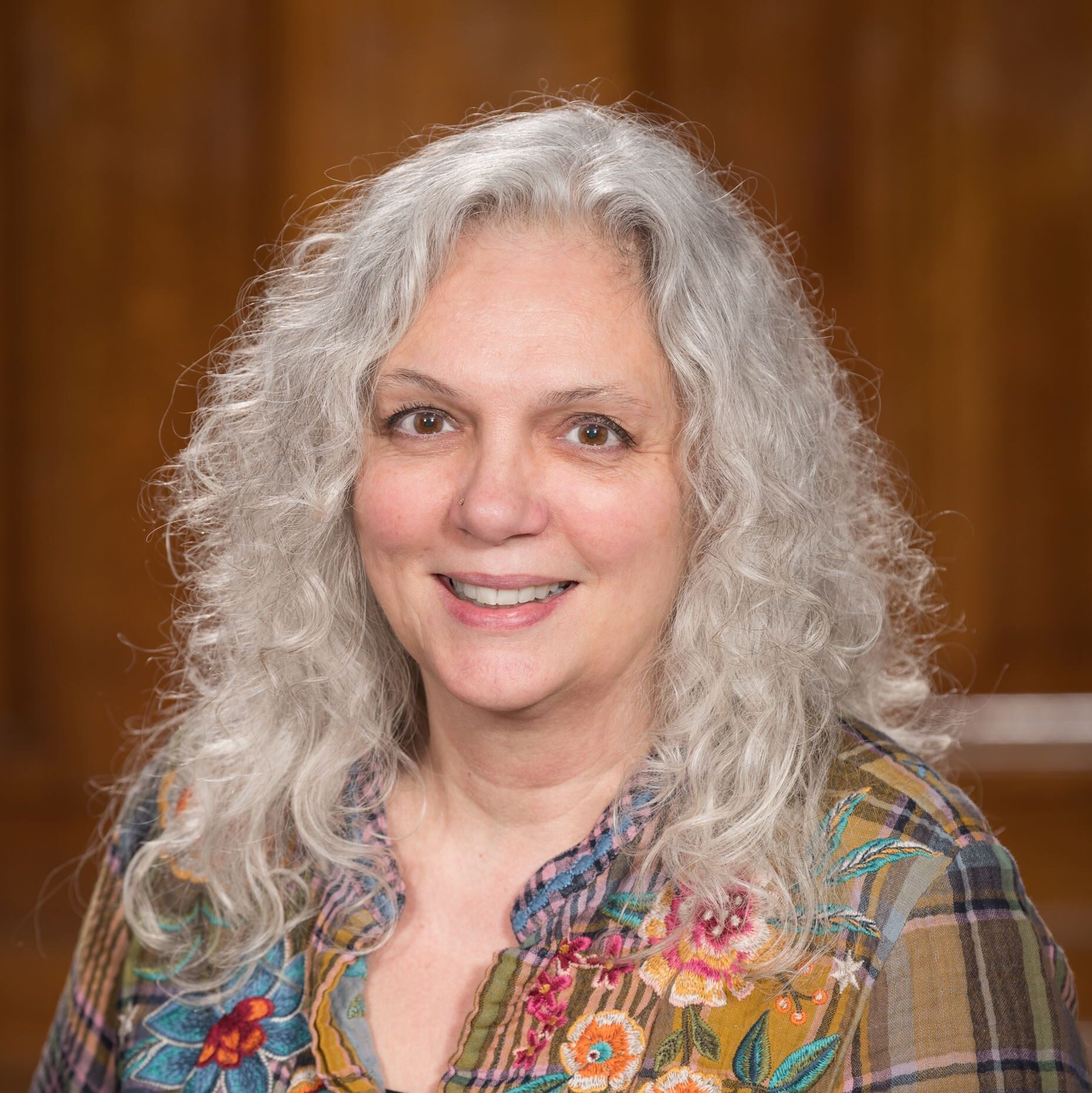
1. Who are you? Tell us about yourself.
I’m a mom, a grandmother, a wife, a PhD student, an employee of the UI, a Seattle Mariners fan with a broken heart, I’m in 2 bands, I love Moscow and believe wholeheartedly in civic engagement and MAKING THE RIGHT DECISIONS FOR THE RIGHT REASONS.
2. What inspired you to run for this office?
I’ve been a councilor for almost 10 years now, and this experience, I continue to believe in the importance of city government being as connected with the residents of Moscow as possible – their hopes, ideas, and concerns.
Being a representative for the people on the city council is as close to the people as it gets.
I give my time to make a difference. When we see that something needs to change, we should be willing to participate in making that change. I cannot throw rocks if I’m not willing to work toward the change
3. What would make you qualified for this position?
My experience supports my belief that government is best that is closest to the people. My experience includes local leadership as:
- City Council member (2016 – to current)
- Director, the Palouse Partnership for Economic Prosperity (2017- 2022)
- Director, Moscow Chamber of Commerce ( 2012-2017)
I am eager to give more service to my community!
4. What are three main goals you have for your time in office?
- Housing – Our area NEEDs more quantity-wise and more variety-wise. The city should continue to encourage accessory dwelling units, smaller setbacks, and smaller lots. We should also continue to encourage infill development, and higher density development. I believe the city does a great job supporting development currently, but I do think we need to think outside of what has already been done to encourage new development. Incentives are one idea.
- Infrastructure – Moscow needs better infrastructure for water, sewer, transportation, even internet. I will continue to support infrastructure improvements through additional funding, including grant funding whenever possible.
- Economic Development – Looking ahead, Moscow needs to diversify its tax base. It is imperative that the city, and the county, continue to support economic development efforts including the recruitment of new businesses. Without growth, Moscow will dwindle and die. As voters, we need to reject leadership that will not demonstrate commitment to economic prosperity. I believe in and will continue to work toward a vibrant economy for residents of Moscow and our region.
- Selective Respect and Division – More than ever, Moscow is a community divided by politics and negativity. We need to remember we ALL make Moscow a great community, begin to communicate respectfully and constructively, agree to disagree, and find common ground to rebuild our beautiful city. We all need to say our apologies and commit to the future. I am a leading voice to call out hate and hostility directed at individuals. I ask residents and voters to join me in doing likewise.
5. What characteristics or principles are most important for an elected official?
Respect and honesty.
6. What responsibilities of this office do you personally consider the most important?
You have to show up and do what you said you were going to do during the campaign.
7. Are there any little-known powers or responsibilities held by this office that you believe more people should be aware of?
The City’s essential mission is Water, Fire, Police, Sewer, Garbage and Roads. Everything else is extra.
8. What organizations or individuals have endorsed your campaign, if any?
Many – and I won’t list them because I haven’t asked permission to release that information.
9. What do you see as the biggest challenges facing our community right now?
- Housing – Our area NEEDs more quantity-wise and more variety-wise. The city should continue to encourage accessory dwelling units, smaller setbacks, and smaller lots. We should also continue to encourage infill development, and higher density development. I believe the city does a great job supporting development currently, but I do think we need to think outside of what has already been done to encourage new development. Incentives are one idea.
- Infrastructure – Moscow needs better infrastructure for water, sewer, transportation, even internet. I will continue to support infrastructure improvements through additional funding, including grant funding whenever possible.
- Economic Development – Looking ahead, Moscow needs to diversify its tax base. It is imperative that the city, and the county, continue to support economic development efforts including the recruitment of new businesses. Without growth, Moscow will dwindle and die. As voters, we need to reject leadership that will not demonstrate commitment to economic prosperity. I believe in and will continue to work toward a vibrant economy for residents of Moscow and our region.
- Selective Respect and Division – More than ever, Moscow is a community divided by politics and negativity. We need to remember we ALL make Moscow a great community, begin to communicate respectfully and constructively, agree to disagree, and find common ground to rebuild our beautiful city. We all need to say our apologies and commit to the future. I am a leading voice to call out hate and hostility directed at individuals. I ask residents and voters to join me in doing likewise.
10. What do you love most about Moscow?
It’s home.
11. How do you stay informed about current events and issues affecting the city?
I read, I listen, and I ask questions.
12. How do you approach budgeting for the city’s services and programs?
I am a conservative fiscally, and I draw from the strategic plan as well as the capital improvements plan.
13. How do you prioritize long-term projects versus short-term initiatives?
Please see above answer
14. How do you plan to involve residents in the decision-making process in our town?
Invite them to council meetings, invite email correspondence and actually BE in the community to be accessible to all.
15. How would you enhance transparency and openness in government proceedings?
I COMMUNICATE
16. How do you think Moscow is doing with crime, policing and public safety?
Excellent – I fully support our police.
17. What reforms, if any, would you like to implement within the local police force?
More funding, more staffing…but that is in a perfect world.
18. How will you address the growing concerns about affordable housing?
Our area NEEDs more quantity-wise and more variety-wise. The city should continue to encourage accessory dwelling units, smaller setbacks, and smaller lots. We should also continue to encourage infill development, and higher density development. I believe the city does a great job supporting development currently, but I do think we need to think outside of what has already been done to encourage new development. Incentives are one idea.
19. If you could change one thing in our zoning code, what would it be and why?
I wouldn’t – we have our codes in place to help smart planning and development – and to protect the charm of Moscow
20. What initiatives will you implement to support local agriculture and urban farming?
Smart and careful planning and development
21. In what ways do you plan to support the local arts and culture scene?
Moscow has a vibrant art scene, and I fully support our 1% for the Arts initiative.
22. How will you work with local small businesses to support their growth?
Looking ahead, Moscow needs to diversify its tax base. It is imperative that the city, and the county, continue to support economic development efforts including the recruitment of new businesses. Without growth, Moscow will dwindle and die. As voters, we need to reject leadership that will not demonstrate commitment to economic prosperity. I believe in and will continue to work toward a vibrant economy for residents of Moscow and our region.
23. What incentives or programs will you develop to retain young professionals in our city?
Please see above answer…by supporting business, we create the better-paying jobs, build the housing that is needed and keep our young professionals in Moscow.
24. How do you handle disagreements between yourself and other members of the city council?
With respect and honesty – and with the perspective of serving 25,000 people
25. How do you evaluate the effectiveness of policies and programs implemented by the city council?
I ask questions, I listen, I measure, and I support retrospective looks at effectiveness.
Gary Schoolland
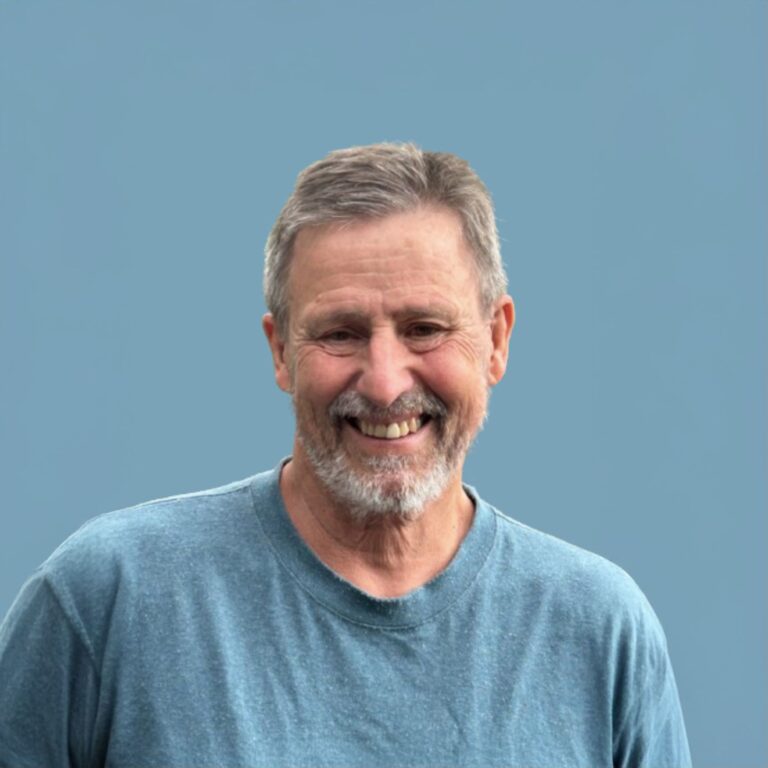
Gary Schoolland declined to answer the candidate questionnaire.
Ben Stellmon
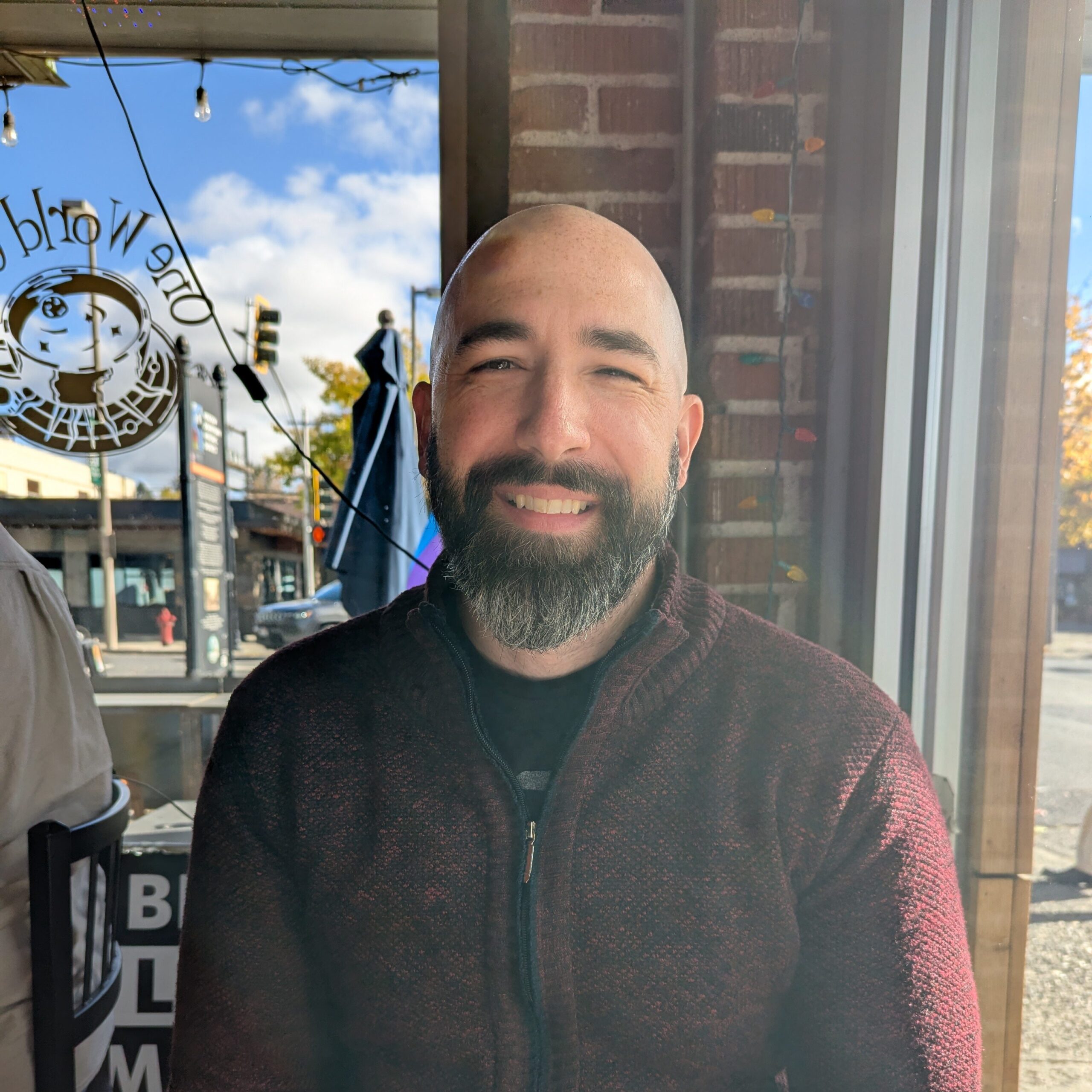
1. Who are you? Tell us about yourself.
I’m Ben Stellmon, a 42-year-old registered nurse. I first moved to Moscow to attend the University of Idaho, which is where I met my wife of 20 years, Jade. We have five children – a daughter who attends UI, three sons currently at Moscow High (a junior and twin freshmen), and a son in middle school at Moscow Charter. We have an orange cat named JoJo that we rescued at 2-weeks old and a chinchilla named Winston. English is my first language, but I’m conversational in Russian. I love camping, reading, and playing video games.
2. What inspired you to run for this office?
I love Moscow. It’s been the perfect place for me to grow into adulthood and then raise a family. I’ve had many opportunities over the years to give back to the community, for example when I helped organize substitute nurses to fill in at the Moscow School District or when I led the team that earned Gritman Medical Center its initial Level 4 Trauma Center designation. At this stage in my career and family life, I have the capacity to serve in a more long-term, formal way.
3. What would make you qualified for this position?
My years working in emergency medicine have prepared me to serve on the city council. In the ER, I’ve learned how to truly listen, understand what’s most urgent, and prioritize competing needs under pressure. Triage is about assessing the whole situation, identifying critical issues, and creating a plan that addresses immediate emergencies while supporting long-term recovery. I bring that same calm, focused decision-making to community challenges. I know how to work as part of a team, advocate for people in crisis, and act quickly and responsibly with limited resources.
4. What are three main goals you have for your time in office?
Just like in the emergency department, I know meaningful progress only happens when we listen well and work as a team. My first goal is to actively and consistently listen to community members—on my last day in office just as much as on my first. Second, I want to collaborate with local experts, city staff, and residents to create practical, achievable plans that address our community’s most pressing needs. Third, I aim to make decisions that balance immediate concerns with long-term sustainability, so our city remains strong for years to come.
5. What characteristics or principles are most important for an elected official?
The qualities I value most in an elected official are honesty, integrity, and optimism. Honesty builds trust with the community, and I strive to be transparent in both words and actions. Integrity means following through on commitments and doing the right thing, even when it’s difficult. Optimism fuels progress—I approach challenges with the belief that solutions are possible and worth working toward. These principles guide how I work, serve, and lead.
6. What responsibilities of this office do you personally consider the most important?
In my view, the most important responsibilities of a council member are collaborating with the mayor, fellow councilmembers, and the community to keep our city safe and welcoming; representing constituents by listening actively and translating their needs into policy; and stewarding limited resources responsibly by guiding the city’s budget, approving contracts, and supporting sound development and public-safety decisions.
7. Are there any little-known powers or responsibilities held by this office that you believe more people should be aware of?
One surprise I’ve had while learning about the city council is how many powers people assume it has. For example, residents often believe the council controls their entire property tax bill, but the city only sets a portion while the county, school district, and other taxing districts also play major roles. On the other hand, a responsibility that deserves more recognition is the council’s long-term stewardship of infrastructure, especially our water supply. Moscow’s proactive conservation efforts over decades have helped ensure we still have reliable access to water today.
8. What organizations or individuals have endorsed your campaign, if any?
This campaign has been a true family effort. My wife is my campaign manager and our kids make up the campaign crew. None of us have done this before, and we’ve learned how important endorsements and donations are in helping voters get to know a candidate. Asking for support doesn’t come naturally to me, so it has meant a great deal that people have offered endorsements and even donated without being asked. I’m grateful to have support from local leaders such as Cathy Mabbut, Jennifer Rouse, Michelle Hazen, Wynn Mosman, and Kathy Weber.
9. What do you see as the biggest challenges facing our community right now?
One of the biggest challenges facing our community is the same one facing many across the country, which is growing frustration and declining empathy. Moscow is a good town filled with good people, but I can feel tension and anger creeping in. As a city council, I believe we must model kindness, patience, and understanding, especially when disagreements arise. Rebuilding trust and strengthening connection will be essential to solving any other challenge we face.
10. What do you love most about Moscow?
I love that there is always something to look forward to. Whether it’s annual events like the Light Up the Night Parade, Rendezvous in the Park, or the Lionel Hampton Jazz Festival, or regular happenings like the Farmers Market and local sporting events, there’s always something that brings people together. I love experiencing all four seasons – the fall colors, winter sledding hills, and the promise of spring. Parks are always within walking distance, and local businesses quickly become familiar favorites. For a small town, we have a lot of opportunities for connection.
11. How do you stay informed about current events and issues affecting the city?
We’ve been subscribers of the Moscow Pullman Daily News for years, but I have to admit I used to only read the comics and sometimes the opinion page. This last year I started reading the entire paper, and I finally understand how my wife always seems to know everything that’s going on! I have a newfound appreciation for the contribution local journalists make to their communities.
12. How do you approach budgeting for the city’s services and programs?
I’m still learning about the city’s budget. From what I can see, though, Moscow already operates on a tight budget without fluff or waste. Our current and past councillors have been good stewards of our tax dollars, first funding essential needs before adding new initiatives. I would want to continue that tradition by listening to city staff, financial experts, and knowledgeable community members.
13. How do you prioritize long-term projects versus short-term initiatives?
Prioritizing long-term and short-term needs is a balancing act, much like in the emergency department. When someone comes in with a heart attack, we focus on stabilizing them immediately, but we also address long-term issues like high blood pressure to prevent future crises. City work is similar: short-term initiatives respond to urgent community needs, while long-term projects ensure stability and quality of life over time. With limited resources, we must evaluate both the immediacy of the need and the long-term impact, and build a plan that responsibly addresses both.
14. How do you plan to involve residents in the decision-making process in our town?
City Council meetings are open to the public and include time for public comment. I’d like to increase awareness of that opportunity. I also think there are opportunities for city councilors to share more on social media. It’s a great avenue for both sharing information and soliciting feedback.
15. How would you enhance transparency and openness in government proceedings?
Transparency starts with making information easy to access and understand. While Moscow already provides a strong foundation of openness through public meetings and posted minutes, many residents don’t have time to sift through lengthy documents. I would support using more accessible platforms like a city blog, social media updates, or brief summaries of council decisions to keep residents informed in a clear, user-friendly way.
16. How do you think Moscow is doing with crime, policing and public safety?
During my time working in the Gritman emergency department, I had the privilege of working closely with our police, fire, and EMS crews. Moscow is fortunate to have skilled, compassionate professionals, and overall we are a safe community. However, like any town, we are not immune to crime, including serious incidents. As a rural community, we face limited funding and behavioral health resources, both of which impact public safety. With additional investment in public safety and mental health support, I believe we could enhance the strong foundation we already have.
17. What reforms, if any, would you like to implement within the local police force?
I am a strong advocate for trauma-informed care, which is something we practice in nursing and I believe is equally essential in policing. Trauma-informed care recognizes that many people involved in police interactions may be responding through the lens of past trauma, and that officers themselves also experience trauma and need support and opportunities to decompress. Policing is an incredibly difficult job, and constant vigilance can take a physical and emotional toll. I would support regular, ongoing trauma-informed care training that focuses on both community interactions and officer wellbeing.
18. How will you address the growing concerns about affordable housing?
Affordable housing is a complex issue, and I recognize the city council’s influence has limits. That said, we do have the ability to explore creative, community-driven solutions. For example, Moscow is home to one of the nation’s top advocates for tiny homes, a model that isn’t for everyone but could be an excellent, affordable option for many. I am actively studying this issue to better understand zoning, incentives, and partnerships that could support more accessible housing options. My goal is to approach this challenge with openness, collaboration, and practicality.
19. If you could change one thing in our zoning code, what would it be and why?
I understand why it’s not allowed, but my wife’s birthday is coming up and I know what she really wants (and has wanted for years) is a pet pig.
20. What initiatives will you implement to support local agriculture and urban farming?
This is one area where I’d need to reach out to our farmers to better understand what needs aren’t currently being met. I do know that thanks to the multi-generation farmers and the University of Idaho College of Agricultural and Life Sciences, we are rich with knowledge and expertise.
21. In what ways do you plan to support the local arts and culture scene?
This is another area where we’re flush with talent. I love that we’re able to decorate our home with pieces from local artists, that we have community displays of sculptures and art installations. Moscow has invested in the beautification of the city, which is a tradition I would gladly vote to continue.
22. How will you work with local small businesses to support their growth?
For a short period of time before becoming a registered nurse, I was a small business owner. It was both stressful and exciting, and I loved the experience. I’m fortunate to know several local business owners, so it would be another area where I would go straight to the source and ask what support they need.
23. What incentives or programs will you develop to retain young professionals in our city?
In my experience, Moscow sells itself. When young people come here to learn at one of our local universities, many of them fall in love with the community and would happily stay, so the challenge isn’t recruiting them. Rather, it’s making sure they (1) have the job opportunities they’re looking for here, and (2) can afford to live here. That’s where industry growth and affordable housing come into play.
24. How do you handle disagreements between yourself and other members of the city Council?
I’ve always functioned on the belief that debate is healthy and appropriate but once a decision is made, the entire council should be united in its efforts to implement and support that decision. It takes a lot to get me riled up. If I ever were to get upset or have a significant disagreement with another councilmember, I feel like a good old fashioned game of Paper Rock Scissors is always a viable option.
25. How do you evaluate the effectiveness of policies and programs implemented by the city Council?
Evaluating effectiveness depends on the policy or program, but I believe it starts long before implementation. When creating a policy, we need to clearly define the problem we’re trying to solve and what success should look like. If we can’t articulate the “why,” it may not be a good use of time or resources. Once a program is in place, I would look at measurable outcomes, community feedback, and whether it is meeting the goals we established. If it’s not, we should be willing to adjust or discontinue it.
Dakota Steffen can be reached at [email protected].
James
Thanks for putting this together. Good questions on the survey helped me understand the candidates better. Nicely done!