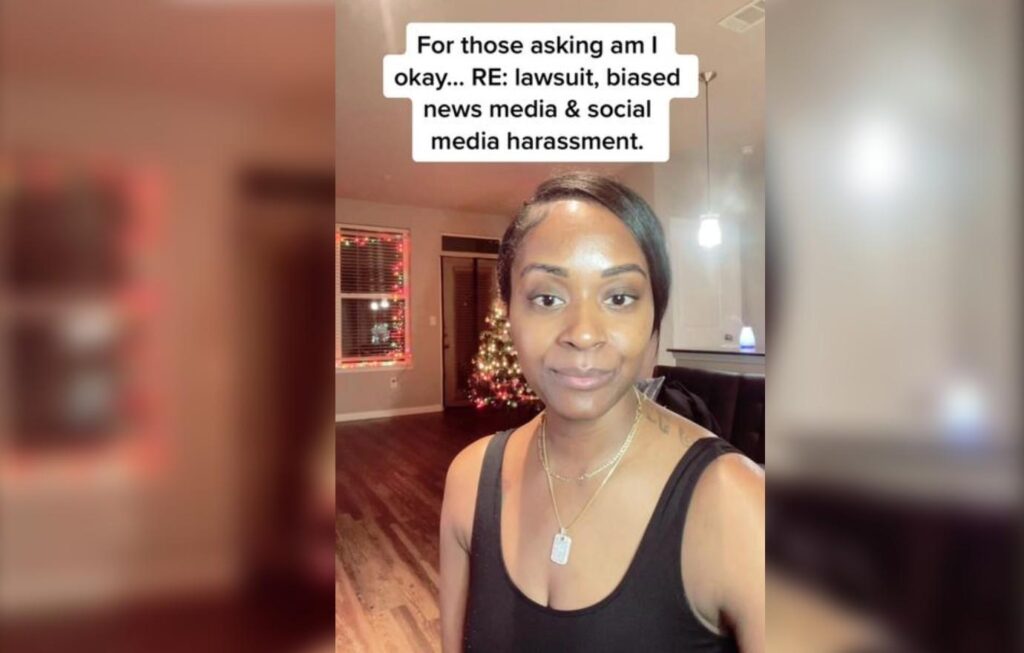
A true crime TikToker said she showed no ill will in declaring a University of Idaho professor was involved in the King Road homicides, despite a judge’s ruling that she damaged the reputation of the faculty member.
In an interview with The Argonaut, TikToker Ashley Guillard maintains she was only seeking to help the investigation into the slayings and that she did not intentionally publish false information about Rebecca Scofield, a UI associate professor of history.
“[Scofield’s team] have not proved that I made an intentional false statement and Idaho defamation implies ill intent, and trying to help solve a murder case is not ill intent.” Guillard said.
Judge Raymond Patricco disagreed and found Guillard liable for defamation in June of 2024. A hearing to determine possible punitive damages has yet to be scheduled.

Wendy Olson, Scofield’s attorney, told The Argonaut that Guillard disregarded the facts of the investigation.
“Any time you have a public forum and you’re speaking about a high publicity event, you have an obligation to make only statements that are truthful and to be based on actual facts and not to be full of disinformation or misinformation,” Olson said.
For several months after four UI students – Kaylee Goncalves, Madison Mogen, Xana Kernodle and Ethan Chapin – were brutally murdered in November of 2022, Guillard posted more than 100 videos to TikTok claiming Scofield hired two men to murder the students to cover up her alleged affair with one of the victims.

Guillard’s only evidence came from “claircognizant” practices, which relied solely on tarot card readings of the victims and UI faculty as well as Guillard’s own intuition.
After ignoring a cease-and-desist letter from Scofield, Guillard continued to make false and defaming claims, bringing the lawsuit to federal court.
Bryan C. Kohberger pleaded guilty to the slayings and began four consecutive life sentences last month. Still, Guillard maintains it’s possible others were involved in the crime and feels justified in her claims.
“I think for sure the fact that [Kohberger] pleaded guilty and has been sentenced shuts down any speculative, entirely speculative, assertions she could make that would change anything,” Olson said.
According to Olson, a defamation case requires the publication of a false statement that was either knowingly false or made with reckless disregard of the truth, known as malice.
“It’s sufficient to say that it has been a long and harmful process to [Rebecca],” Olson said.
Mackenzie Davidson can be reached at [email protected].